Understanding the difference between emergency and routine dental visits helps patients receive the right care at the right time. While many dental concerns can be addressed during scheduled appointments, some situations require immediate attention from a dentist. Recognizing the signs of a dental emergency can prevent complications and protect long-term oral health.
Routine dental visits typically include preventive exams, professional cleanings, and monitoring of teeth and gums. These appointments help identify cavities, gum disease, and other concerns before symptoms appear. In contrast, dental emergencies involve sudden pain, trauma, infection, or damage that requires prompt evaluation.
A trusted dental clinic can help patients determine whether their concern requires urgent treatment or can wait for a scheduled appointment. Knowing when to book emergency or routine care ensures timely treatment.
DENTAL EMERGENCIES
A dental emergency usually involves sudden pain, trauma, infection, or damage that requires immediate attention. These situations often develop quickly and may worsen if treatment is delayed. Seeking care from a dentist as soon as possible helps prevent complications and preserve oral health.
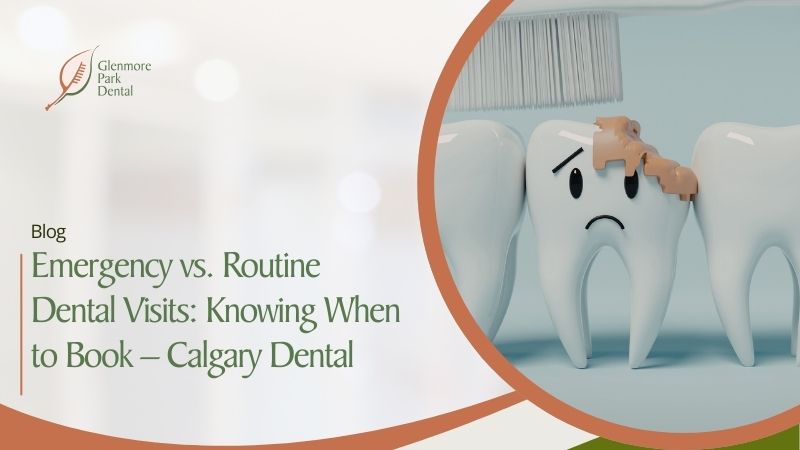
Common dental emergencies include severe tooth pain, knocked-out teeth, cracked or broken teeth, swelling of the gums or jaw, and infections that cause discomfort or pressure. Bleeding that does not stop after an injury or trauma to the mouth may also require urgent dental care.
Infections are one of the most serious dental emergencies. Untreated dental infections can spread and lead to more significant health concerns. A dental clinic can evaluate symptoms, diagnose the cause of the problem, and recommend appropriate treatment to relieve pain and protect surrounding teeth and tissues.
If you experience intense discomfort, facial swelling, or sudden damage to a tooth, contacting an emergency dentist patients rely on is the safest course of action.
ROUTINE DENTAL VISITS
Routine dental visits are scheduled appointments designed to maintain oral health and prevent dental problems from developing. Most patients visit a dental clinic for routine care every six months, though individual recommendations may vary.
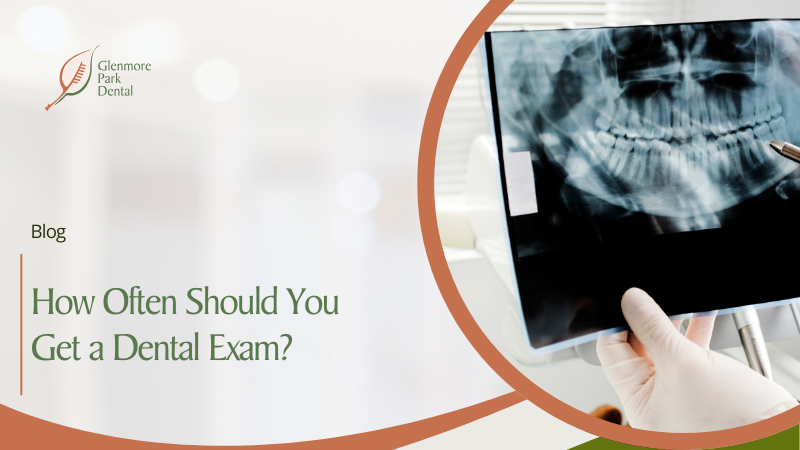
Routine visits typically include professional cleanings, dental exams, and digital X-rays when necessary. These appointments allow a dentist to monitor gum health, check for cavities, and evaluate bite alignment. Early detection of issues during routine visits helps reduce the need for complex treatments later.
Minor concerns such as mild tooth sensitivity, small chips, or cosmetic questions can often be addressed during routine dental appointments. Patients who schedule regular preventive visits are more likely to maintain healthy teeth and gums over time.
Routine dental care plays a key role in preventing emergencies by identifying problems before they become painful or urgent.
WHY THE DIFFERENCE MATTERS
Understanding whether a dental concern is an emergency or a routine issue helps patients seek care more efficiently. Emergencies require prompt attention to prevent worsening symptoms or permanent damage, while routine visits focus on maintaining long-term oral health.
A dental clinic can help patients evaluate symptoms and determine the appropriate course of action. Many clinics offer guidance over the phone to help patients decide whether immediate treatment is necessary.
Knowing when to schedule routine care also supports preventive dentistry. Regular exams allow dentists to track oral health over time, identify small concerns early, and provide treatments that prevent more serious issues from developing.
Patients who maintain consistent routine visits while seeking prompt care for emergencies are more likely to experience stable oral health and fewer unexpected dental problems. Building a relationship with a trusted dentist ensures that help is available whenever urgent dental concerns arise.
Dental emergencies include severe tooth pain, knocked-out teeth, broken teeth, swelling, infections, or trauma to the mouth that requires immediate care.
Mild discomfort may wait for a routine visit, but severe or persistent tooth pain should be evaluated by a dentist as soon as possible.
Yes. In many cases, a dentist can treat dental emergencies directly or guide the best next step for care.
Have a question about your dental health or ready to book an appointment? Our friendly team is here to help! Fill out the form below, and we’ll get back to you as soon as possible.
Dental Exams | New Year, Clean Start | Why Now Is the Best Time

Glenmore Park Dental—Trusted Family Dentist in Calgary.
Since 2001, we’ve been Calgary’s trusted choice for general dentistry, implants, Invisalign, and advanced treatments like biofilm removal and Zoom whitening. With a warm, welcoming atmosphere and a commitment to patient comfort, we make every visit stress-free. Conveniently located for easy access from Glenmore and Crowchild, we proudly serve families across Marda Loop, Acadia, Lakeview, Glenbrook, and beyond.
Book your appointment today and smile with confidence!