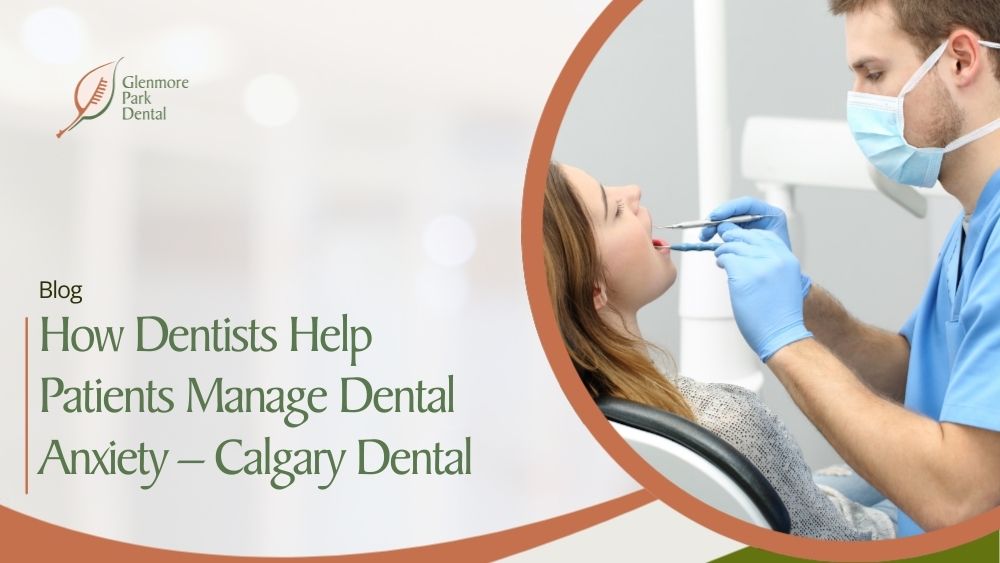
Dental anxiety is a common concern that prevents many people from seeking regular dental care. Fear of discomfort, previous negative experiences, or uncertainty about treatment can cause patients to delay important appointments. A dentist understands these concerns and uses strategies designed to make dental visits more comfortable and manageable.
Modern dental clinics focus on patient comfort by explaining procedures clearly, creating supportive environments, and using technology that reduces treatment time and discomfort. A dental clinic may also offer flexible scheduling, calming techniques, and personalized care plans to help patients feel more in control during appointments.
Managing dental anxiety is an important part of preventive care. When patients feel comfortable visiting their dentist, they are more likely to attend routine exams and cleanings, which helps maintain healthier teeth and gums over time. Patients who address dental anxiety early are more likely to maintain consistent care. Supportive dental environments help make routine visits more manageable over time.
DENTAL FEAR
Dental anxiety affects patients of all ages and can range from mild nervousness to significant fear that prevents individuals from visiting a dentist. For many patients, anxiety may develop after a previous uncomfortable dental experience or from uncertainty about what will happen during treatment. Understanding these concerns allows a dentist to create a more supportive and reassuring environment.
Common signs of dental anxiety include feeling tense before appointments, difficulty sleeping the night before a visit, or avoiding dental care entirely. Some patients may also experience increased heart rate or stress when thinking about dental treatment. Recognizing these reactions helps dental professionals adapt their approach to patient comfort.
A dental clinic focused on patient-centred care takes time to listen to concerns and answer questions before beginning treatment. Open communication allows patients to feel more informed and confident about their dental care.
REDUCING ANXIETY
Modern dental practices use a variety of techniques to help reduce anxiety and improve patient comfort. One of the most effective strategies is clear communication. Dentists often explain each step of a procedure before it begins so patients understand what to expect.
Many dentists also encourage patients to ask questions and signal if they need a break during treatment. Simple adjustments such as shorter appointments, comfortable seating, and calm treatment environments can make a significant difference for anxious patients.
Technology also plays an important role in improving comfort. Advanced diagnostic tools and minimally invasive techniques allow dentists to complete procedures more efficiently and with greater precision. A dental clinic that uses modern technology can often reduce treatment time and discomfort, which helps ease anxiety for many patients.
BUILDING COMFORT
Managing dental anxiety often improves with consistent, positive dental experiences. Patients who attend regular visits become more familiar with the environment and develop trust with their dental team. Over time, this familiarity helps reduce fear and makes appointments feel more routine.
Routine exams and professional cleanings also help prevent dental problems from progressing. When issues are detected early, treatments are typically simpler and more comfortable. A dentist who focuses on preventive care helps patients avoid more complex procedures that may contribute to anxiety.
Dental teams also provide guidance on relaxation techniques and coping strategies for patients who feel nervous about appointments. By building supportive relationships and maintaining open communication, a dental clinic helps patients feel more confident about their dental care.
Over time, many patients discover that regular dental visits become easier and more comfortable. With the right support and approach, managing dental anxiety becomes an achievable step toward maintaining long-term oral health.
Dental anxiety can result from previous negative experiences, fear of pain, or uncertainty about dental procedures.
Yes. Dentists use communication, comfort-focused techniques, and modern technology to help patients feel more relaxed during appointments.
Yes. Informing your dentist about anxiety allows them to adjust their approach and provide a more comfortable experience.
Have a question about your dental health or ready to book an appointment? Our friendly team is here to help! Fill out the form below, and we’ll get back to you as soon as possible.
Dental Exams | New Year, Clean Start | Why Now Is the Best Time

Glenmore Park Dental—Trusted Family Dentist in Calgary.
Since 2001, we’ve been Calgary’s trusted choice for general dentistry, implants, Invisalign, and advanced treatments like biofilm removal and Zoom whitening. With a warm, welcoming atmosphere and a commitment to patient comfort, we make every visit stress-free. Conveniently located for easy access from Glenmore and Crowchild, we proudly serve families across Marda Loop, Acadia, Lakeview, Glenbrook, and beyond.
Book your appointment today and smile with confidence!