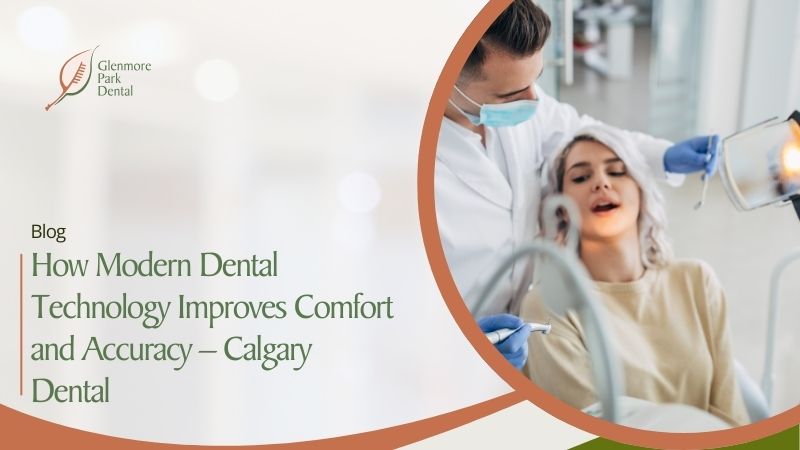
Modern dental technology has significantly improved how dentists diagnose, plan, and perform treatments. At a dental clinic, advanced diagnostic tools and digital imaging systems allow dentists to identify issues earlier and treat them with greater precision.
A dentist may use digital dental X-rays, intraoral cameras, and advanced imaging tools to evaluate teeth, gums, and bone structures in greater detail. These technologies help detect cavities, infections, and structural concerns that may not be visible during a standard visual exam.
Modern dental technology also improves patient comfort by reducing appointment time, improving treatment precision, and supporting minimally invasive procedures that protect healthy tooth structure and promote long-term oral health. These advancements continue to improve the overall dental care experience.
DIGITAL IMAGING IMPROVES DIAGNOSTIC ACCURACY
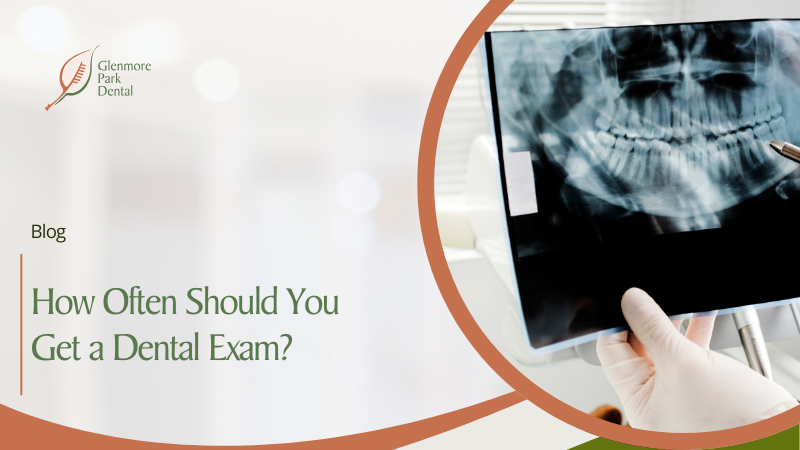
Digital imaging technology has transformed the way dentists detect and evaluate oral health conditions. Traditional film X-rays have largely been replaced by digital dental X-rays that clinics now use, which provide clearer images while using significantly less radiation. These digital systems produce detailed images instantly, allowing dentists to evaluate dental structures quickly and accurately.
Digital imaging allows a dentist to identify cavities between teeth, bone loss associated with gum disease, and infections developing below the gum line. Early detection is one of the most important advantages of modern dental technology. When problems are identified at an early stage, treatment is often simpler, less invasive, and more predictable.
Many dental clinics also use intraoral cameras that capture high-resolution images inside the mouth. These images allow dentists to show patients exactly what they are seeing during an exam. Visual explanations improve communication and help patients better understand their oral health and recommended treatments. By combining digital imaging with comprehensive exams, dentists gain a more complete understanding of each patient’s dental condition.
TECHNOLOGY SUPPORTS MORE COMFORTABLE DENTAL CARE
Modern dental technology also improves patient comfort during routine and restorative procedures. Advances in equipment design and treatment planning allow dentists to perform procedures more efficiently while minimizing discomfort. Many tools used in digital dentistry clinics provide are designed to reduce treatment time and improve precision.
Digital impressions are one example of technology that enhances comfort. Traditional dental impressions required thick impression material that many patients found uncomfortable. Digital scanners now capture accurate images of teeth and bite alignment without messy materials. These scans allow dentists to create crowns, aligners, and other restorations with exceptional accuracy.
Technology also supports more conservative treatment approaches. Because dentists can detect problems earlier and plan procedures more precisely, they can preserve more natural tooth structure. A dental clinic using modern technology can often complete treatments more efficiently, reducing time spent in the chair while improving overall patient experience.
ADVANCED TECHNOLOGY SUPPORTS BETTER LONG-TERM OUTCOMES
Modern dental technology not only improves comfort during visits but also supports better long-term oral health outcomes. Accurate diagnostics and treatment planning allow dentists to address issues before they progress into more serious conditions. Early intervention helps protect teeth, gums, and supporting bone structures over time.
Technology also allows dentists to monitor oral health more effectively between visits. Digital records and imaging create a clear history of each patient’s dental condition. During routine exams, a dentist can compare new images with previous ones to track changes and identify developing concerns early.
Patients benefit from improved treatment planning and clearer communication about their dental health. Advanced imaging and digital records help dentists explain conditions and demonstrate why certain treatments may be recommended. This transparency allows patients to make informed decisions about their care while building trust with their dental clinic.
As dental technology continues to evolve, patients can expect more precise diagnostics, more comfortable procedures, and better long-term results. These innovations help dental clinics deliver consistent, high-quality care while maintaining the health and function of patients’ smiles.
Digital dentistry refers to dental technology such as digital X-rays, intraoral scanners, and advanced imaging used to improve diagnostics and treatment planning.
Yes. Digital dental X-rays use significantly less radiation than traditional film X-rays while providing clearer diagnostic images.
Yes. Advanced dental tools allow dentists to perform procedures more efficiently, improving comfort and treatment accuracy.
Have a question about your dental health or ready to book an appointment? Our friendly team is here to help! Fill out the form below, and we’ll get back to you as soon as possible.
Dental Exams | New Year, Clean Start | Why Now Is the Best Time

Glenmore Park Dental—Trusted Family Dentist in Calgary.
Since 2001, we’ve been Calgary’s trusted choice for general dentistry, implants, Invisalign, and advanced treatments like biofilm removal and Zoom whitening. With a warm, welcoming atmosphere and a commitment to patient comfort, we make every visit stress-free. Conveniently located for easy access from Glenmore and Crowchild, we proudly serve families across Marda Loop, Acadia, Lakeview, Glenbrook, and beyond.
Book your appointment today and smile with confidence!