Gum disease is one of the most common oral health conditions affecting adults, yet many people are unaware they have it until symptoms become more advanced. In its early stages, gum disease may cause mild signs such as redness, swelling, or bleeding while brushing and flossing. As the condition progresses, it can affect the tissues and bone that support the teeth, potentially leading to gum recession, loose teeth, and other complications. Recognizing the warning signs early is important because prompt treatment can often prevent further damage and help maintain long-term oral health. Regular dental examinations and professional cleanings play an important role in detecting and managing gum disease before it becomes more serious. Because gum disease can develop gradually and without significant discomfort, understanding the early symptoms can help patients seek care before more extensive treatment becomes necessary. Contact Glenmore Dental to schedule a dental examination and learn more about protecting your gum health.
EARLY WARNING SIGNS YOU SHOULD NOT IGNORE
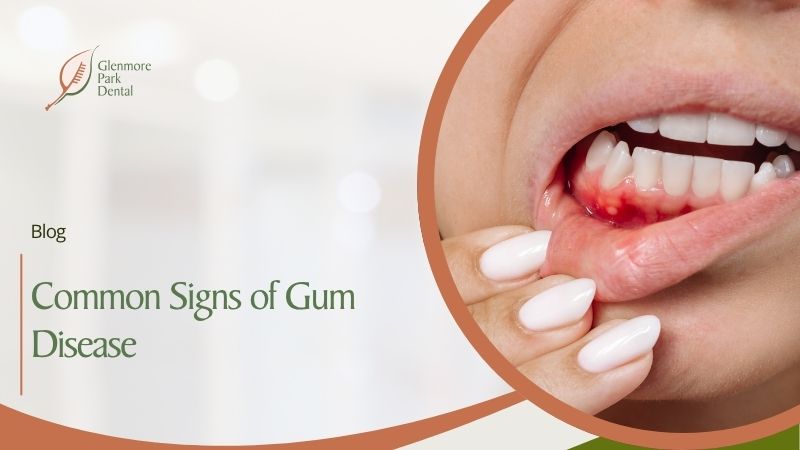
Gum disease often begins quietly. Many patients assume occasional bleeding or mild gum irritation is normal, but these symptoms may actually indicate the early stages of gingivitis. Gingivitis is the first stage of gum disease and develops when plaque and bacteria accumulate along the gumline.
Healthy gums should appear firm, pink, and free from bleeding. When plaque remains on the teeth for extended periods, bacteria can irritate the gum tissue and trigger inflammation. This inflammation often produces symptoms that are easy to overlook during daily oral hygiene routines.
Some of the most common early warning signs include:
Many patients are surprised to learn that healthy gums should not bleed during brushing or flossing. Bleeding is often one of the earliest indicators that inflammation is present.
Bad breath may also be connected to gum disease. Bacteria trapped beneath the gumline can produce unpleasant odours that continue even after brushing or using mouthwash. When persistent bad breath develops despite maintaining oral hygiene, it may be worth scheduling a dental evaluation.
The encouraging news is that gingivitis is often reversible when identified early. Professional cleanings, improved oral hygiene habits, and regular dental visits can help reduce inflammation and restore gum health before more serious damage occurs.
Routine dental examinations are particularly valuable because dentists and hygienists can identify subtle signs of gum disease before patients notice symptoms themselves. Early intervention often leads to simpler treatment and better long-term outcomes.
GUMS AND TEETH CHANGES
As gum disease progresses beyond gingivitis, more noticeable changes may begin to develop. This stage, known as periodontitis, affects not only the gums but also the structures that support the teeth.
One of the most common signs of advancing gum disease is gum recession. Receding gums occur when the gum tissue begins pulling away from the teeth, exposing more of the tooth surface and, in some cases, the root structure.
Patients experiencing gum recession may notice:
As gum disease advances, pockets can form between the teeth and gums. These pockets create spaces where bacteria can accumulate, making it more difficult to maintain proper oral hygiene.
Additional symptoms may include:
Many people do not realize that gum disease can affect the stability of their teeth. The infection may gradually damage the bone and connective tissues that hold teeth in place. Over time, untreated periodontal disease can contribute to tooth mobility and tooth loss.
Because these changes often occur gradually, patients may not recognize them immediately. Comparing current dental examinations with previous visits allows dentists to monitor subtle changes and identify developing concerns before they become severe.
Professional evaluation is important whenever gum recession, tooth movement, or persistent gum discomfort is noticed. Addressing these concerns early can help preserve both gum health and natural teeth.
HOW TO STOP LONG-TERM GUM DAMAGE
One of the most important aspects of managing gum disease is prevention. While gum disease is common, it is often preventable through consistent oral hygiene and regular professional dental care.
Plaque is continually forming on the teeth throughout the day. When plaque is not removed effectively through brushing and flossing, it can harden into tartar. Unlike plaque, tartar cannot be removed with home brushing alone and requires professional cleaning.
Several factors can increase the risk of gum disease, including:
Maintaining regular dental checkups allows dental professionals to monitor gum health, remove plaque and tartar buildup, and identify potential concerns before they worsen.
Preventive dental care often includes:
Daily habits also play a significant role in protecting gum health. Brushing twice daily, flossing regularly, staying hydrated, and following your dentist's recommendations can help reduce the risk of gum disease development and progression.
Patients who receive regular preventive care often experience fewer complications and are more likely to maintain healthy teeth and gums throughout their lives. Because gum disease can develop without causing significant pain in its early stages, routine dental visits remain one of the most effective tools for protecting oral health.
If you have noticed bleeding gums, gum recession, persistent bad breath, or other signs of gum disease, seeking professional evaluation can help determine the cause and identify appropriate treatment options. Contact Glenmore Dental today to schedule an appointment and learn more about maintaining healthy gums and a healthy smile.
Yes. One of the reasons gum disease often goes undetected is that it may not cause pain during its early stages. Many patients experience symptoms such as bleeding gums, redness, swelling, or bad breath long before discomfort develops. By the time pain becomes noticeable, the condition may have progressed significantly. This is why regular dental examinations are so important. Dentists can identify early signs of gum disease before symptoms become severe and recommend treatment that helps prevent further damage to the gums and supporting structures around the teeth.
While bleeding gums can occasionally result from brushing too aggressively or using a new flossing routine, frequent bleeding should not be ignored. Healthy gums generally do not bleed during normal brushing and flossing. Bleeding is often one of the earliest indicators of gingivitis, which is the first stage of gum disease. If bleeding continues for more than a few days or occurs regularly, a dental examination can help determine the underlying cause and identify whether treatment is needed to improve gum health and reduce inflammation.
The earliest stage of gum disease, known as gingivitis, can often be reversed with professional dental care and improved oral hygiene habits. Removing plaque and tartar buildup, maintaining consistent brushing and flossing, and attending regular dental appointments can help restore gum health. However, once gum disease progresses to periodontitis, the damage to supporting tissues and bone cannot typically be fully reversed. Treatment at this stage focuses on controlling the condition, preventing further progression, and preserving the health of the gums and teeth. Early detection remains the best way to achieve positive outcomes.
Have a question about your dental health or ready to book an appointment? Our friendly team is here to help! Fill out the form below, and we’ll get back to you as soon as possible.

Glenmore Park Dental—Trusted Family Dentist in Calgary.
Since 2001, we’ve been Calgary’s trusted choice for general dentistry, implants, Invisalign, and advanced treatments like biofilm removal and Zoom whitening. With a warm, welcoming atmosphere and a commitment to patient comfort, we make every visit stress-free. Conveniently located for easy access from Glenmore and Crowchild, we proudly serve families across Marda Loop, Acadia, Lakeview, Glenbrook, and beyond.
Book your appointment today and smile with confidence!