Colder weather can do more than chill your hands; it may also trigger TMJ pain. If you’re noticing more jaw tension, headaches, or clicking when you chew this winter, Glenmore Park Dental can help. Our Calgary clinic offers expert assessment and treatment for TMJ disorders, including splint therapy, bite alignment checks, and personalized strategies to ease discomfort. Whether the cold weather is tightening your muscles or stress is clenching your jaw, we’re here to find the cause and treat it. From Glenbrook to Lakeview and beyond, contact Glenmore Park Dental if winter jaw pain is affecting your daily life.
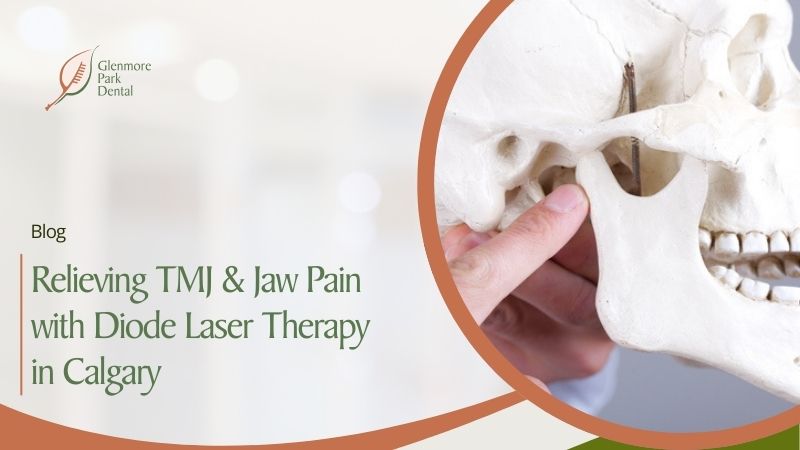
If your jaw feels tighter or more sore during the colder months, you’re not imagining it. Seasonal changes can affect the muscles and joints in your body, including your temporomandibular joint (TMJ). This joint connects your jawbone to your skull and helps you chew, speak, and yawn. When it’s not functioning properly, it can lead to stiffness, clicking, pain, or even headaches.
In winter, TMJ symptoms often worsen due to a few common reasons:
TMJ disorder (or TMD) can show up in different ways. You don’t have to experience all the symptoms — even one or two can affect your quality of life. Common signs include:
If you notice these symptoms getting worse during winter, it’s worth having your jaw evaluated by a dental professional.
Several factors make winter a prime time for TMJ flare-ups:
Just like other joints, your jaw reacts to temperature. Cold air can cause surrounding muscles to tighten involuntarily, making it harder for the TMJ to move freely. This is especially noticeable in the morning when your body is already stiff from sleep.
From holiday planning to financial strain, stress tends to peak during the winter season. Many people unknowingly clench or grind their teeth (bruxism) as a response, especially during sleep. This puts extra pressure on the TMJ and surrounding muscles, leading to pain and inflammation.
Colder weather means more time indoors, often hunched over laptops or phones. Poor posture shifts the natural alignment of your jaw and neck, adding strain to your TMJ.
If you already have joint issues (TMJ-related or otherwise), you may be more sensitive to temperature drops. Cold, dry air can exacerbate inflammation, increasing discomfort in affected joints.
At Glenmore Park Dental, we provide comprehensive care for TMJ disorders. Your treatment begins with a detailed evaluation of your bite, jaw movement, muscle tension, and any wear patterns on your teeth. Based on your symptoms, we may recommend:
Our goal is to treat the root cause, not just the symptoms, so you can eat, speak, and smile without discomfort, no matter the season.
If winter weather is making your TMJ symptoms worse, don’t ignore it. Early evaluation and personalized care can prevent long-term joint damage and restore your comfort. Glenmore Park Dental proudly serves Glenbrook, Lakeview, Rutland Park, and surrounding Calgary communities with TMJ assessments and solutions. Contact us today to book your appointment and get ahead of jaw pain before it becomes chronic.
Symptoms include jaw pain, clicking or popping sounds, frequent headaches, facial tension, earaches, and difficulty chewing.
Treatment options include custom night guards, Botox therapy, bite alignment, laser treatment and relaxation techniques to reduce muscle tension.
Mild cases may improve with rest and stress reduction, but persistent symptoms often require professional treatment.
Common causes include stress, teeth grinding, jaw misalignment, arthritis, or previous jaw injuries.
Yes! A custom night guard prevents grinding and reduces jaw strain while you sleep.
Sessions are typically 10–20 minutes, with many patients needing a short series of treatments for lasting relief.
Diode laser therapy is a gentle, non-invasive treatment that uses light energy to reduce inflammation and muscle tension around the jaw.
It helps by relaxing tight muscles, increasing blood flow, and stimulating healing in the soft tissues around the jaw joint.
Laser therapy offers broader benefits—it not only eases muscle tension like Botox but also helps reduce inflammation and promote healing. Contact us to book your TMJ consultation.
Have a question about your dental health or ready to book an appointment? Our friendly team is here to help! Fill out the form below, and we’ll get back to you as soon as possible.
TMJ Treatment | Seasonal Jaw Pain and Cold-Weather Triggers

Glenmore Park Dental—Trusted Family Dentist in Calgary.
Since 2001, we’ve been Calgary’s trusted choice for general dentistry, implants, Invisalign, and advanced treatments like biofilm removal and Zoom whitening. With a warm, welcoming atmosphere and a commitment to patient comfort, we make every visit stress-free. Conveniently located for easy access from Glenmore and Crowchild, we proudly serve families across Marda Loop, Acadia, Lakeview, Glenbrook, and beyond.
Book your appointment today and smile with confidence!