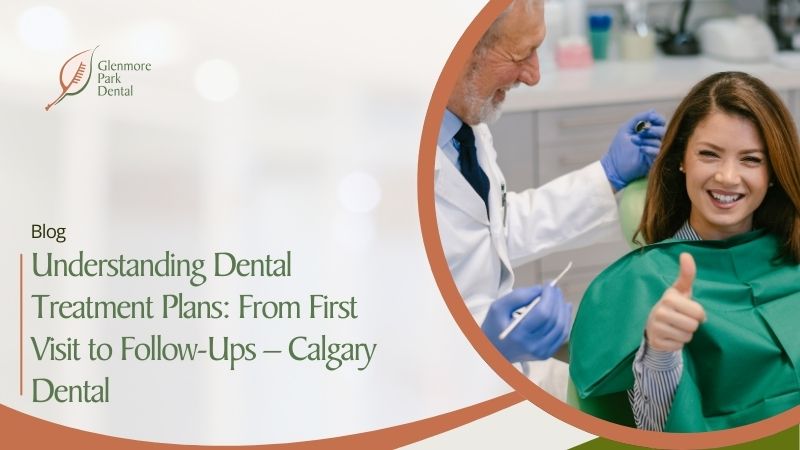
A dental treatment plan helps guide patients through recommended care from the first dental visit through follow-up appointments. During an initial consultation, a dentist evaluates oral health through a comprehensive exam, dental imaging, and a discussion of symptoms or concerns.
A clear treatment plan outlines recommended procedures, timelines, and preventive strategies. At a dental clinic, treatment planning may include routine preventive care, restorative treatments, or monitoring specific conditions over time.
Understanding a dental treatment plan helps patients feel informed and confident about their care. Clear communication between patients and their dentist supports both immediate dental needs and long-term oral health. This collaborative approach helps patients stay proactive about their dental care while supporting better long-term oral health outcomes.
THE FIRST VISIT AND ASSESSMENT
A dental treatment plan usually begins with a comprehensive dental exam. During a patient’s first visit to a dental clinic, the dentist evaluates teeth, gums, jaw alignment, and overall oral health. This assessment often includes digital dental X-rays and a review of medical history to identify factors that may influence treatment.
The initial exam allows a dentist to identify concerns such as cavities, gum inflammation, tooth wear, or bite issues. Even if no immediate symptoms are present, early signs of dental conditions may still be detected during this evaluation. Identifying these concerns early helps prevent small issues from developing into larger problems.
During this visit, dentists also discuss oral hygiene habits, lifestyle factors, and any discomfort the patient may be experiencing. This conversation provides important context that helps shape the treatment plan and ensures recommendations are appropriate for the patient’s needs.
DENTAL TREATMENT PLANNING
Once the initial assessment is complete, the dentist develops a treatment plan based on the diagnostic findings and the patient's goals. A dental treatment plan clinics provide outlines recommended procedures, preventive care strategies, and the order in which treatments should occur.
Treatment plans often prioritize urgent issues first, such as infections, significant decay, or damaged teeth that may require immediate care. Preventive treatments and routine maintenance may follow after urgent concerns are addressed. A dentist carefully organizes these steps to ensure treatment progresses efficiently and safely.
Patients are typically provided with a clear explanation of each recommended procedure. This discussion may include timelines, potential benefits, and alternative treatment options. A dental clinic focused on patient-centered care ensures individuals understand their treatment choices before moving forward.
FOLLOW-UP APPOINTMENTS
Follow-up appointments are an important part of a dental treatment plan. After completing recommended procedures, dentists schedule follow-up visits to monitor healing, evaluate results, and ensure treatments are functioning properly.
For example, a dentist may schedule a follow-up exam after restorative procedures such as crowns, fillings, or gum treatments. These visits allow the dentist to confirm that the restoration fits properly and that surrounding tissues are healthy.
Follow-up visits also support preventive care. Routine dental exams and professional cleanings help dentists monitor oral health over time and detect new concerns early. A dental clinic uses follow-up appointments to maintain continuity of care and track changes in a patient’s dental condition.
By attending recommended follow-ups, patients help ensure that their treatment plan continues to support long-term oral health. Consistent monitoring and preventive care reduce the risk of future dental complications and help maintain healthy teeth and gums.
A dental treatment plan is a personalized outline of recommended dental care, including procedures, timelines, and preventive strategies.
No. Many treatment plans are completed in stages depending on urgency, patient preference, and scheduling.
Follow-up visits allow dentists to monitor healing, evaluate results, and ensure treatments continue to support long-term oral health.
Have a question about your dental health or ready to book an appointment? Our friendly team is here to help! Fill out the form below, and we’ll get back to you as soon as possible.
Dental Exams | New Year, Clean Start | Why Now Is the Best Time

Glenmore Park Dental—Trusted Family Dentist in Calgary.
Since 2001, we’ve been Calgary’s trusted choice for general dentistry, implants, Invisalign, and advanced treatments like biofilm removal and Zoom whitening. With a warm, welcoming atmosphere and a commitment to patient comfort, we make every visit stress-free. Conveniently located for easy access from Glenmore and Crowchild, we proudly serve families across Marda Loop, Acadia, Lakeview, Glenbrook, and beyond.
Book your appointment today and smile with confidence!