A comprehensive dental exam that patients rely on is more than a quick look at their teeth. It is a complete evaluation designed to assess oral health, detect issues early, and create a long-term care plan. During a dental exam, your dentist examines your teeth, gums, jaw alignment, bite function, and overall oral structures, while also reviewing your medical history and lifestyle factors that affect your dental health.
At a trusted dental clinic, comprehensive exams often include digital dental X-rays, oral cancer screening, gum health assessments, and a discussion about preventive or restorative needs. These exams help identify cavities, gum disease, bite issues, and early signs of more serious conditions before symptoms develop.
Regular comprehensive dental exams help maintain comfort, function, and confidence in your smile.
WHAT A COMPREHENSIVE DENTAL EXAM ACTUALLY INCLUDES
A comprehensive dental exam clinics provide is a full diagnostic assessment, not a routine cleaning alone. The appointment begins with a review of your medical and dental history. Your dentist evaluates medications, health conditions, and lifestyle factors that may affect oral health, including stress, grinding, or dry mouth.
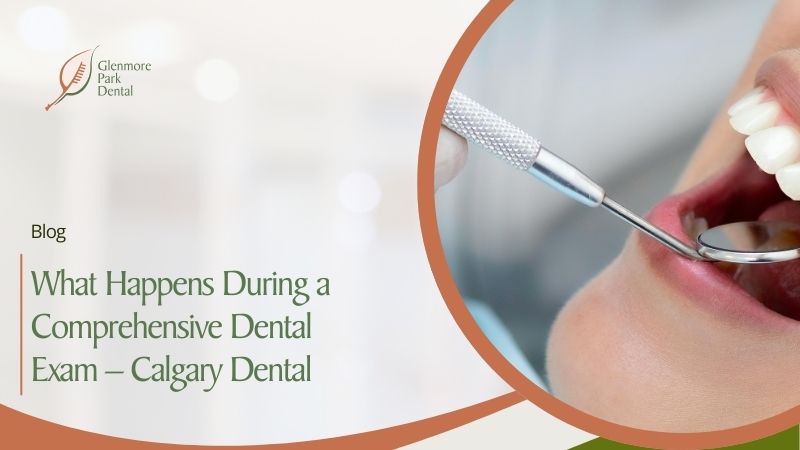
The clinical exam focuses on teeth, existing restorations, bite alignment, and jaw function. Dentists check for cavities, cracks, wear patterns, and early enamel breakdown that may not cause pain yet. Gum health is assessed by measuring pockets around the teeth to detect inflammation or early gum disease. Even mild gum issues identified during a dental exam patients receive can prevent more serious periodontal problems later.
A comprehensive exam also includes evaluation of the tongue, cheeks, palate, and throat. Oral cancer screening is an important part of preventive care, allowing dentists to identify abnormal tissue changes early. Jaw joints and bite movement are examined to detect issues that may lead to headaches, jaw pain, or tooth damage. This detailed assessment allows your dental clinic to see the full picture of oral health, not just isolated problems.
WHY DENTAL X-RAYS ARE PART OF THE EXAM
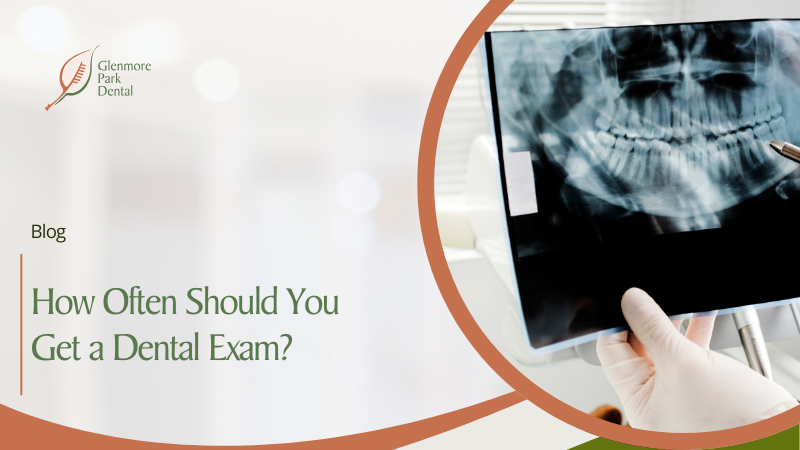
Dental X-rays dentists use are essential during a comprehensive exam because many dental issues are invisible to the naked eye. Digital X-rays allow dentists to evaluate areas beneath the gum line and between teeth, where decay and bone loss often begin. These images help identify cavities, infections, impacted teeth, bone changes, and early signs of structural damage.
For new patients or those returning after a long gap, X-rays provide a baseline for tracking changes over time. Modern digital dental imaging uses minimal radiation and provides high-detail results quickly, making it a safe and effective diagnostic tool. During a comprehensive dental exam patients undergo, X-rays support accurate diagnosis and prevent small problems from becoming costly emergencies.
X-rays also help assess jawbone density, which is especially important for patients with missing teeth, dental implants, or gum disease concerns. By combining visual exams with imaging, your dentist can make informed recommendations that protect both short-term comfort and long-term oral health.
WHAT HAPPENS AFTER THE EXAM
Once the exam is complete, your dental clinic reviews findings and discusses next steps. This includes explaining any concerns, prioritizing treatment needs, and outlining preventive strategies. Not every finding requires immediate treatment, but identifying risks early allows patients to make informed decisions.
Your dentist may recommend routine preventive care, such as professional cleanings, fluoride treatments, or monitoring specific areas. If restorative care is needed, options are discussed clearly, including timelines and urgency. For families, a family dentist patients trust ensures age-specific considerations are addressed, from children’s developing teeth to adult bite changes.
A comprehensive dental exam also provides an opportunity to ask questions and address concerns about sensitivity, cosmetic goals, or oral hygiene habits. Ongoing exams allow dentists to track changes, adjust care plans, and maintain consistency in oral health over time. Regular dental exams residents schedule are one of the most effective ways to prevent unexpected dental problems and maintain a healthy smile.
A comprehensive dental exam is a full evaluation of teeth, gums, bite, jaw, and oral tissues, often including X-rays and oral cancer screening.
Most dentists recommend a comprehensive dental exam once per year, with regular checkups in between based on individual needs.
A cleaning is often scheduled alongside the exam but may be completed separately depending on gum health and diagnostic findings.
Have a question about your dental health or ready to book an appointment? Our friendly team is here to help! Fill out the form below, and we’ll get back to you as soon as possible.
Dental Exams | New Year, Clean Start | Why Now Is the Best Time

Glenmore Park Dental—Trusted Family Dentist in Calgary.
Since 2001, we’ve been Calgary’s trusted choice for general dentistry, implants, Invisalign, and advanced treatments like biofilm removal and Zoom whitening. With a warm, welcoming atmosphere and a commitment to patient comfort, we make every visit stress-free. Conveniently located for easy access from Glenmore and Crowchild, we proudly serve families across Marda Loop, Acadia, Lakeview, Glenbrook, and beyond.
Book your appointment today and smile with confidence!