An infected tooth can become painful, sensitive, and increasingly difficult to ignore. When bacteria reach the soft tissue inside a tooth, the infection may continue to spread unless the source is treated. In many situations, root canal treatment can remove the infected tissue while allowing the natural tooth to remain in place. Rather than extracting the entire tooth, the dentist cleans and disinfects the inside, seals the space, and restores the tooth so it can continue functioning.
Saving a natural tooth can help maintain normal chewing, support surrounding teeth, and avoid the space created by an extraction. However, whether a root canal can save an infected tooth depends on factors such as the severity of the infection, the condition of the remaining tooth structure, and the health of the tissues around the root. At Glenmore Park Dental, patients experiencing tooth pain, swelling, prolonged sensitivity, or other possible signs of infection can receive an examination to determine the cause and get treated.
HOW A TOOTH BECOMES INFECTED AND WHEN A ROOT CANAL MAY HELP
A tooth may look solid from the outside, but several layers are found beneath the visible enamel. Under the enamel is dentin, and at the centre of the tooth is the pulp chamber. Dental pulp contains nerves, blood vessels, and connective tissue that help support the tooth while it is developing.
When bacteria reach this inner tissue, inflammation or infection can develop.
One of the most common causes is untreated tooth decay. A cavity begins by damaging the enamel. If it continues progressing, bacteria can move into the dentin and eventually reach the pulp.
Other causes may include:
A crack can sometimes create a pathway for bacteria even when there is no obvious cavity. Dental injuries can also damage the pulp without immediately changing the appearance of the tooth.
Once the pulp becomes severely inflamed or infected, it generally cannot heal in the same way that minor irritation in other parts of the body might.
Symptoms may include:
Not every infected tooth causes severe pain. In some cases, the nerve inside the tooth may eventually stop functioning, causing discomfort to decrease even though infection remains around the root.
This is one reason dental examinations are important when symptoms change unexpectedly.
A root canal may be recommended when the pulp is infected or irreversibly inflamed but the tooth itself can still be restored.
During treatment, the goal is to remove the damaged pulp and bacteria rather than removing the entire tooth.
The dentist first evaluates the tooth to determine whether root canal treatment is appropriate. This may involve examining the tooth, checking sensitivity, evaluating the gums, testing how the tooth responds to pressure, and taking dental X-rays.
X-rays can provide information about:
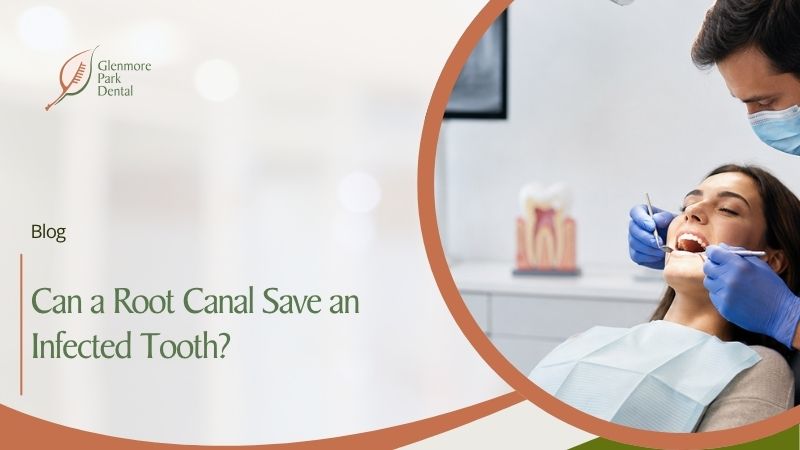
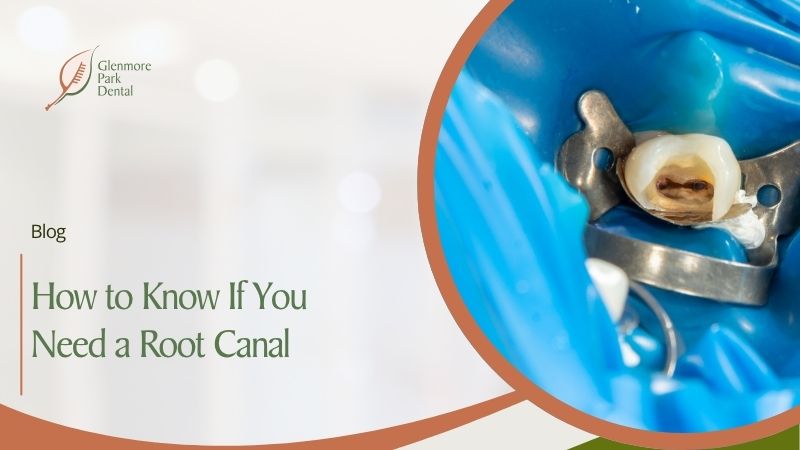
Local anaesthetic is typically used to numb the treatment area. Once the patient is comfortable, an opening is created in the tooth so the dentist can access the pulp chamber and root canals.
The infected or damaged tissue is removed. The canals are then carefully cleaned, shaped, and disinfected.
After cleaning, the root canals are filled and sealed to reduce the opportunity for bacteria to re-enter the space.
Depending on the tooth and treatment plan, a temporary restoration may be placed until the final restoration can be completed.
The root canal addresses infection inside the tooth, but restoring the outside of the tooth is also an important part of treatment.
HOW ROOT CANAL TREATMENT HELPS PRESERVE YOUR NATURAL TOOTH
The main purpose of root canal treatment is to eliminate infection from inside the tooth while preserving as much natural tooth structure as possible.
Although the pulp is removed, a mature tooth can continue functioning without it. The tissues surrounding the root continue to support the tooth within the jaw.
After treatment, patients can generally continue biting and chewing with the restored tooth once healing is complete and the dentist confirms that it is ready for normal use.
Preserving the tooth can provide several benefits.
Natural teeth are designed to work together when biting and chewing. Saving an infected tooth can allow it to continue contributing to normal function rather than creating an empty space.
When a tooth is extracted and the space is not replaced, nearby teeth may gradually shift toward the opening.
Changes in tooth position can affect the bite and make certain areas more difficult to clean.
Keeping the natural tooth helps maintain the existing spacing.
Whenever possible, dentistry generally aims to preserve healthy natural tooth structure.
Root canal treatment removes the infected tissue inside the tooth while retaining the root and remaining crown structure.
A tooth that has undergone root canal treatment may require additional restoration because it can be weakened by previous decay, fractures, or the amount of tooth structure that needed to be removed.
Back teeth, particularly molars and premolars, often experience significant biting forces and may require a dental crown after treatment.
A crown covers and protects the remaining tooth structure while helping restore its shape and function.
The appropriate restoration depends on factors such as:
Completing the recommended restoration is important. Delaying a crown or other final restoration may leave the tooth more vulnerable to fracture or bacterial contamination.
Patients sometimes assume that extraction is automatically easier than treating an infected tooth. While extraction may be appropriate when a tooth cannot be predictably restored, removing a tooth creates a new consideration: whether the missing tooth should be replaced.
Depending on its location, replacement options may include a dental implant, bridge, or removable prosthetic option.
Root canal treatment may allow patients to avoid this process by keeping their natural tooth.
However, root canal treatment cannot save every infected tooth.
A tooth may need to be extracted if:
The dentist must evaluate the complete condition of the tooth rather than the infection alone.
Early treatment can sometimes improve the available options. Continuing to chew on a severely damaged tooth or allowing decay to progress can reduce the amount of healthy tooth structure available for restoration.
This is why persistent tooth symptoms should be assessed before they become more severe.
WHEN TO SEEK TREATMENT FOR A POSSIBLE TOOTH INFECTION
Dental infections generally do not resolve by themselves. Medication may temporarily reduce certain symptoms in specific situations, but the source of infection inside a damaged tooth still requires appropriate dental treatment.
Waiting for pain to disappear can be particularly risky because a reduction in pain does not necessarily mean that the infection is gone.
If the pulp tissue dies, the tooth may become less sensitive while bacteria continue spreading through the root canal system and into the tissues surrounding the root.
A localized infection can sometimes create an abscess.
An abscess is a collection of infection that may develop around the root or in nearby gum tissue.
Possible signs include:
Significant facial swelling, difficulty swallowing, difficulty breathing, fever combined with dental swelling, or rapidly worsening symptoms require urgent medical or dental attention.
Patients should also schedule an examination if they experience sensitivity that lasts well after a hot or cold substance has been removed.
Brief sensitivity can have many causes, but lingering discomfort may indicate inflammation inside the tooth.
Pain when chewing can also be important. A tooth that hurts every time pressure is applied may have a crack, infection, inflamed ligament, or another problem requiring assessment.
A small bump that resembles a pimple may sometimes appear on the gum near an infected tooth. It may periodically drain and then return.
Because drainage can temporarily relieve pressure, the tooth may not always feel painful. The underlying cause still needs to be investigated.
Changes in tooth colour may also occur after trauma. A tooth that becomes noticeably darker following an injury may have experienced damage to the pulp.
Dental injuries are especially important to monitor because symptoms may appear long after the original accident.
If root canal treatment is recommended, patients often worry that the procedure itself will be extremely painful.
Modern root canal treatment is generally performed using local anaesthetic to numb the tooth and surrounding tissue. Many patients seek treatment because the infection is already causing discomfort, and removing the inflamed or infected tissue addresses the source of that pain.
Some tenderness may occur after treatment as the surrounding tissues heal. The dentist will provide instructions about eating, oral hygiene, discomfort management, and when to return for the final restoration.
Patients should contact the dental office if they experience worsening swelling, severe pain that does not improve, or other unexpected symptoms after treatment.
After the tooth has been restored, normal brushing and flossing remain important.
A root canal-treated tooth cannot develop another infection from pulp in the same way because that tissue has been removed, but the remaining natural tooth structure can still develop decay around the restoration.
Long-term care should include:
Dental examinations also allow the dentist to monitor the treated tooth and surrounding bone over time.
The prognosis for an infected tooth depends heavily on its individual condition. Root canal treatment can successfully preserve many teeth, but no dental treatment can guarantee that every tooth will last indefinitely.
The most important step is determining the cause of your symptoms and receiving treatment before additional damage occurs.
At Glenmore Park Dental, we provide assessment and treatment planning for patients experiencing tooth pain, sensitivity, swelling, and other possible signs of dental infection. We welcome patients from Marda Loop, Lakeview, Glenbrook, Glenmorgan, Acadia, Altadore, Killarney, and surrounding southwest Calgary communities.
If you are concerned about an infected tooth, contact Glenmore Park Dental to schedule an examination. When the tooth has enough healthy structure and support remaining, root canal treatment may provide an opportunity to remove the infection, relieve discomfort, and preserve your natural tooth.
Persistent tooth pain, lingering sensitivity to hot or cold temperatures, pain while chewing, swelling, tooth discolouration, or a recurring bump on the gums may indicate a problem with the pulp. Only a dental examination and appropriate diagnostic testing can determine whether root canal treatment is necessary.
Once the pulp inside a tooth is severely infected or irreversibly damaged, it generally cannot heal on its own. Treatment may involve root canal therapy to preserve the tooth or extraction when the tooth cannot be saved. A dentist can determine which option is appropriate after evaluating the tooth.
Have a question about your dental health or ready to book an appointment? Our friendly team is here to help! Fill out the form below, and we’ll get back to you as soon as possible.

Glenmore Park Dental—Trusted Family Dentist in Calgary.
Since 2001, we’ve been Calgary’s trusted choice for general dentistry, implants, Invisalign, and advanced treatments like biofilm removal and Zoom whitening. With a warm, welcoming atmosphere and a commitment to patient comfort, we make every visit stress-free. Conveniently located for easy access from Glenmore and Crowchild, we proudly serve families across Marda Loop, Acadia, Lakeview, Glenbrook, and beyond.
Book your appointment today and smile with confidence!