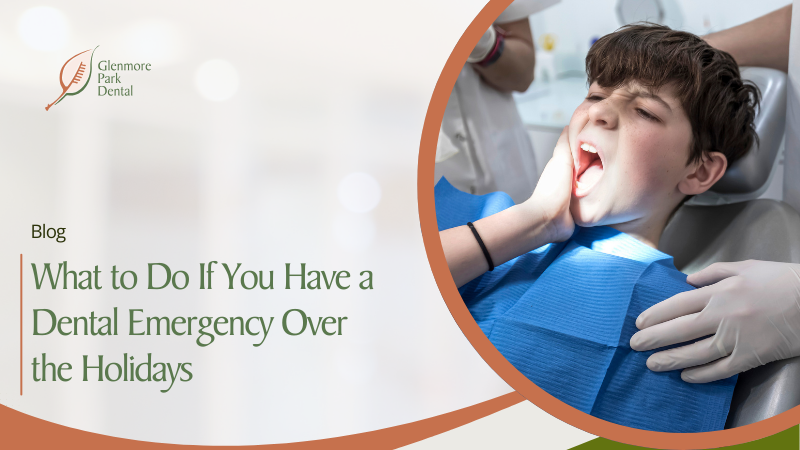
Dental emergencies rarely happen at a convenient time. Whether it is a severe toothache that keeps you awake at night, a cracked tooth after biting something hard, or a dental injury during sports, knowing when to seek immediate care can make the difference between saving and losing a tooth. Many people delay treatment because they hope the pain will disappear on its own or assume the problem is not serious. Unfortunately, some dental emergencies can quickly progress into infections, permanent damage, or more complex treatment needs. Understanding which symptoms require urgent attention helps protect both your oral health and your overall well-being. If you are experiencing sudden pain, swelling, trauma, or other concerning symptoms, seeking prompt care from an emergency dentist can help prevent complications and restore comfort as quickly as possible. Acting quickly can often mean the difference between a simple treatment and a more complex procedure later on.
WHEN TOOTH PAIN SIGNALS A SERIOUS PROBLEM
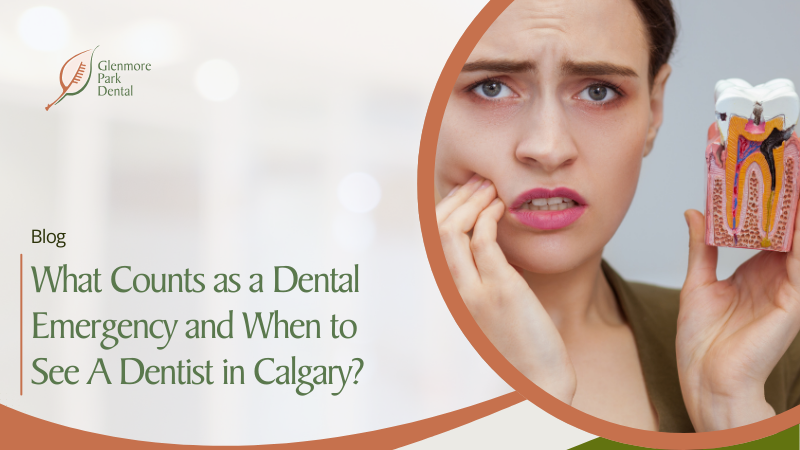
Not every dental issue requires an emergency appointment, but persistent or severe tooth pain should never be ignored. Pain is often the body's warning system, indicating that something beneath the surface needs attention.
One of the most common causes of emergency dental visits is an infected tooth. Tooth infections typically begin when bacteria enter the inner pulp through a cavity, crack, or damaged filling. Once the infection reaches the nerve, patients may experience:
A common misconception is that pain disappearing means the problem has resolved. In reality, a sudden reduction in pain can indicate that the nerve inside the tooth has died. While this may temporarily reduce discomfort, the infection often remains active and can continue spreading into the surrounding tissues.
Dental abscesses are another serious concern. An abscess is a pocket of infection that forms around a tooth or gum tissue. Left untreated, it can spread into the jawbone, face, neck, and in rare cases, other areas of the body. Symptoms that may indicate a dental abscess include:
These symptoms should never be ignored. Early treatment may involve drainage, root canal therapy, or extraction, depending on the severity of the infection.
Gum-related emergencies can also cause significant discomfort. Advanced gum disease may result in painful swelling, bleeding, loose teeth, and infections around the gum tissue. Regular dental examinations help detect these problems early, but if symptoms suddenly worsen, emergency care may be necessary.
DENTAL INJURIES THAT NEED IMMEDIATE CARE
Traumatic dental injuries often occur during sports, recreational activities, vehicle accidents, falls, or unexpected impacts to the face. In many situations, quick action can significantly improve the chances of saving a damaged tooth.
A knocked-out permanent tooth is one of the most time-sensitive dental emergencies. The first 30 to 60 minutes following the injury are often critical. The longer a tooth remains out of the mouth, the lower the likelihood of successful reimplantation.
If a permanent tooth is knocked out:
Parents should note that baby teeth should not be reinserted because doing so may damage the developing permanent tooth underneath.
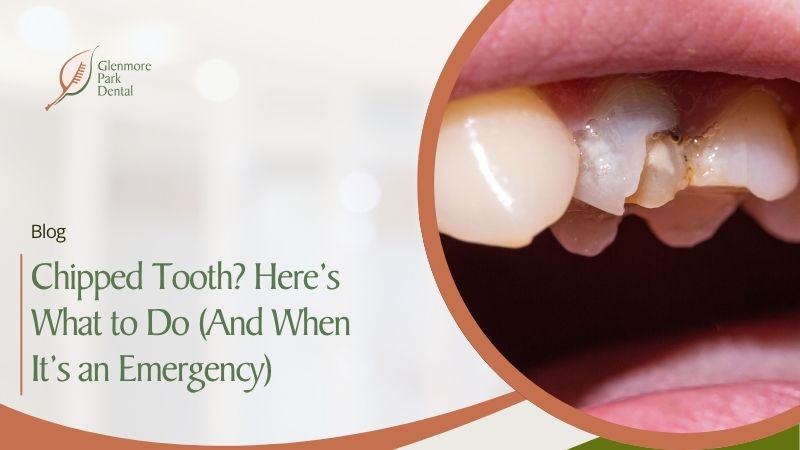
Cracked and fractured teeth are another common emergency. Some cracks are obvious, while others may be nearly invisible. Even small fractures can allow bacteria to enter the tooth and eventually cause infection.
Warning signs that a crack requires immediate evaluation include:
Broken teeth can vary significantly in severity. A small chip may be largely cosmetic, while a larger fracture exposing the dentin or pulp may cause severe pain and increase the risk of infection.
Lost crowns and fillings are sometimes overlooked as emergencies, but they can leave vulnerable areas of the tooth exposed. Without protection, the tooth may become increasingly sensitive or sustain further damage.
Trauma involving the jaw should also be assessed promptly. If you experience:
An emergency evaluation is recommended to rule out fractures or joint damage.
WHAT TO DO BEFORE YOU SEE AN EMERGENCY DENTIST
While professional treatment is essential, taking the proper steps before your appointment can help reduce discomfort and limit additional damage.
For most dental emergencies, start by gently rinsing your mouth with warm water. This helps remove debris and allows you to better assess the situation.
If swelling is present, apply a cold compress to the outside of the face in 15-minute intervals. Cold therapy helps reduce inflammation and may temporarily ease discomfort.
For bleeding:
Avoid placing aspirin directly on the gums or tooth. Although some people believe this helps relieve pain, aspirin can actually irritate and burn the surrounding tissue.
If a tooth has been fractured:
If a crown or filling falls out:
There are also situations where a hospital emergency room may be more appropriate than a dental office. Seek immediate medical attention if you experience:
These situations can become medical emergencies and should be addressed immediately.
Dental emergencies can range from painful infections to traumatic injuries, but one thing remains consistent: delaying treatment often makes the problem worse. Severe toothaches, facial swelling, dental abscesses, knocked-out teeth, and significant fractures should all be evaluated promptly by a dental professional. Early intervention often means simpler treatment, lower costs, and a greater chance of preserving your natural teeth.
If you are experiencing a dental emergency, do not wait for the symptoms to worsen. Contact an emergency dentist for prompt care and professional guidance. Fast action today could save your smile tomorrow.
A true dental emergency is any condition that involves severe pain, infection, uncontrolled bleeding, trauma, or the risk of losing a tooth. Examples include knocked-out teeth, dental abscesses, severe swelling, cracked teeth causing significant pain, and injuries to the mouth or jaw. While some issues such as mild sensitivity can wait for a regular appointment, emergencies should be evaluated as quickly as possible to prevent complications and improve treatment outcomes.
Yes. Tooth infections can spread beyond the affected tooth and enter surrounding tissues, the jawbone, and in rare cases, other areas of the body. Symptoms such as facial swelling, fever, difficulty swallowing, or swollen lymph nodes may indicate that the infection is progressing. Early treatment can often stop the infection before it becomes more serious and may help save the affected tooth.
Most dental emergencies are best handled by an emergency dentist because they have the equipment and expertise to diagnose and treat dental conditions directly. However, if you have severe facial trauma, difficulty breathing, difficulty swallowing, uncontrolled bleeding, or swelling that may affect your airway, you should seek immediate medical attention at a hospital emergency room.
Have a question about your dental health or ready to book an appointment? Our friendly team is here to help! Fill out the form below, and we’ll get back to you as soon as possible.

Glenmore Park Dental—Trusted Family Dentist in Calgary.
Since 2001, we’ve been Calgary’s trusted choice for general dentistry, implants, Invisalign, and advanced treatments like biofilm removal and Zoom whitening. With a warm, welcoming atmosphere and a commitment to patient comfort, we make every visit stress-free. Conveniently located for easy access from Glenmore and Crowchild, we proudly serve families across Marda Loop, Acadia, Lakeview, Glenbrook, and beyond.
Book your appointment today and smile with confidence!