Dental anxiety can make even a routine appointment feel overwhelming. For some patients, the fear of pain, needles, unfamiliar sounds, loss of control, or a previous negative dental experience can lead to delayed appointments and untreated oral health concerns. Sedation dentistry is one option that may help make dental care feel calmer and more manageable for patients who experience significant nervousness or anxiety.
Sedation does not replace local anaesthetic or dental treatment itself. Instead, it may be used alongside appropriate dental care to help patients relax before or during a procedure. Different levels and types of sedation are available, and the right option depends on the patient’s health, level of anxiety, procedure, and individual needs.
At Glenmore Park Dental, patients can discuss their concerns openly before treatment so the dental team can determine the best approach.
WHY DENTAL ANXIETY CAN MAKE THINGS MORE DIFFICULT
Dental anxiety is common and can affect patients of many ages. Some people experience mild nervousness before an appointment, while others may feel intense fear that makes it difficult to sit in the dental chair or schedule treatment at all.
The reasons behind dental anxiety vary from person to person. A patient may have had an uncomfortable experience in the past, feel embarrassed about the condition of their teeth, or worry about what the dentist may find.
Common triggers can include:
Some patients become anxious only when they need a specific procedure, while others may experience stress even during routine examinations or cleanings.
Avoiding dental appointments because of anxiety can create a difficult cycle. A small cavity or early gum problem may be easier to treat when identified promptly. If treatment is delayed, the condition may progress and require a more involved procedure later.
For example, untreated decay may eventually reach deeper layers of the tooth and cause sensitivity, pain, or infection. A condition that might have required a simple filling could eventually require more extensive restorative treatment.
Gum disease can also progress without significant pain. Early inflammation may cause bleeding or tenderness, but more advanced periodontal disease can damage the tissues and bone supporting the teeth.
Regular dental care helps identify these concerns earlier, but patients with severe anxiety may find preventive visits difficult to maintain.
Dental anxiety can also affect what happens during an appointment. A nervous patient may tense their jaw, struggle to remain still, experience a stronger gag reflex, or feel overwhelmed by the length of a procedure.
Communication can make a significant difference. Patients should feel comfortable telling their dentist about:
Knowing these concerns in advance allows the dental team to plan treatment more thoughtfully.
Some patients may benefit from simple comfort strategies without sedation. These can include taking breaks, explaining each step before it happens, agreeing on a hand signal to pause treatment, using distraction techniques, or scheduling shorter appointments.
For patients with moderate or significant anxiety, sedation dentistry may provide another level of support.
Sedation can help reduce awareness of stressful sights, sounds, and sensations while allowing dental treatment to be completed more comfortably.
It may also be useful for patients who have difficulty remaining still, require longer procedures, have a strong gag reflex, or need several treatments completed during the same appointment.
The goal is not simply to make a patient sleepy. Sedation dentistry is intended to create a calmer experience so necessary dental care feels more manageable.
HOW SEDATION CAN CREATE A CALMER EXPERIENCE
Sedation dentistry includes different methods designed to reduce anxiety and promote relaxation during dental treatment. The appropriate method depends on the individual patient and the procedure being performed.
Sedation exists on a spectrum. Some patients remain completely awake and responsive but feel noticeably more relaxed. Other forms may produce deeper drowsiness and reduced awareness of the procedure.
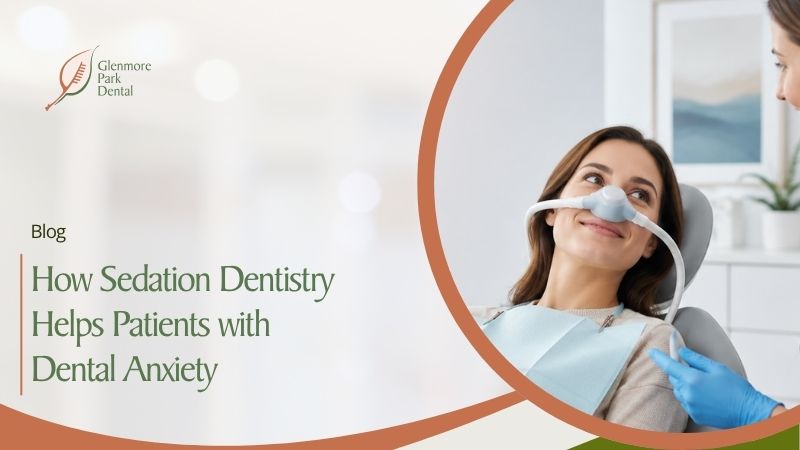
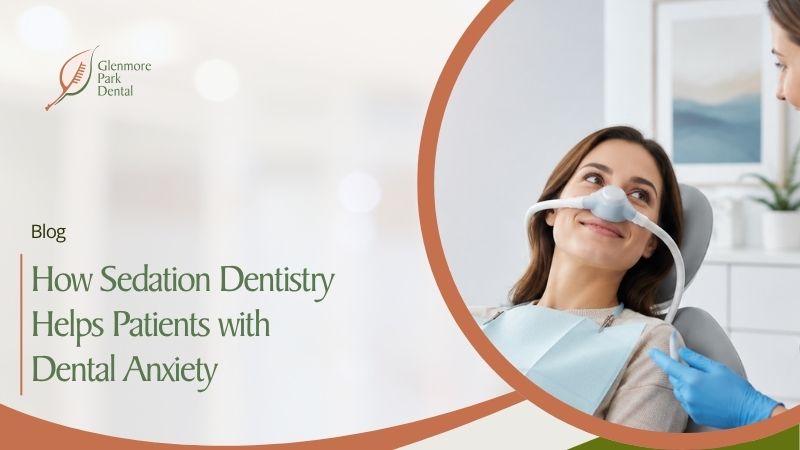
One commonly used option is nitrous oxide, sometimes referred to as laughing gas. Nitrous oxide is inhaled through a small mask placed over the nose.
The patient remains awake and can generally communicate with the dental team, but may feel calmer, lighter, or less focused on the treatment.
One advantage of nitrous oxide is that its effects usually begin and wear off relatively quickly. Oxygen may be administered after the procedure to help clear the gas from the body.
Because the effects can vary, patients should still follow all instructions provided by their dental team regarding driving, eating, medications, and post-appointment activities.
Another option may be oral sedation. This involves taking prescribed medication before the dental procedure.
Depending on the medication and dose, the patient may feel significantly drowsy and relaxed. Some patients remember very little about the appointment afterward.
Patients receiving oral sedation may need:
Instructions should be followed carefully because sedative medications can affect coordination, judgement, and alertness.
Deeper forms of sedation may also be available in certain dental settings and may require additional monitoring or specialized providers.
Regardless of the type used, patient safety is a central consideration. Before sedation is recommended, the dental team may review the patient’s health history, medications, allergies, previous reactions, and other risk factors.
Patients should disclose all prescription medications, over-the-counter medications, supplements, and recreational substances they use because some substances can interact with sedatives.
Sedation may help anxious patients in several ways.
One of the primary benefits is reduced fear. Patients may still understand that dental treatment is occurring, but the emotional response can feel less intense.
This can make it easier to sit through treatment without feeling overwhelmed by every sound or sensation.
An anxious patient may find even a 30-minute appointment exhausting. Sedation can help reduce awareness of time, making longer procedures feel more manageable.
This may be particularly useful when multiple areas require treatment.
Some patients have an unusually sensitive gag reflex, which can make impressions, X-rays, or treatment near the back teeth difficult.
Relaxation may help reduce this response in some cases.
Anxiety often causes patients to tighten their jaw, clench their hands, hold their breath, or tense their shoulders.
Sedation may help the body relax, which can make the appointment more comfortable for both the patient and dental team.
Patients who have had frightening or painful experiences may associate dental treatment with stress even when current care is comfortable.
Sedation can help create a different experience and may make it easier for some patients to return for regular care.
Sedation is also different from local anaesthetic.
Local anaesthetic is used to numb a specific area so the patient does not feel pain during treatment. Sedation is used to reduce anxiety and awareness.
Many procedures may involve both. For example, a patient receiving oral sedation may still require local anaesthetic before a filling, crown, extraction, or other dental procedure.
Understanding this distinction can help patients know what to expect.
WHO MAY BENEFIT FROM SEDATION DENTISTRY
Sedation dentistry is not necessary for every patient who feels nervous, but it may be helpful when anxiety significantly interferes with receiving care.
Patients who may benefit include those who:
Sedation may also be considered for some patients with special healthcare needs, depending on their medical history and ability to tolerate dental treatment.
The decision should always be individualized.
Before recommending sedation, the dentist may ask questions about:
Certain medical conditions or medications may affect which sedation options are appropriate.
Patients should also receive clear instructions before the appointment. These instructions may include when to stop eating or drinking, whether regular medications should be taken, and whether someone must accompany the patient.
Following these directions is important for safety.
After the procedure, recovery depends on the type and depth of sedation used.
Patients who receive minimal sedation may feel normal fairly quickly. Patients who receive stronger medication may remain sleepy or less coordinated for several hours.
When instructed, patients should avoid:
A responsible adult may need to stay with the patient until the effects have sufficiently worn off.
Sedation dentistry can also help patients rebuild consistency with dental care.
Someone who has avoided the dentist for several years may require multiple treatments. Trying to complete everything without addressing the underlying anxiety can make each appointment difficult and reinforce the fear.
A carefully planned approach may make it easier to begin treatment, restore oral health, and eventually establish regular preventive visits.
Over time, some patients find that positive dental experiences reduce their anxiety. They may continue using sedation for certain procedures or eventually feel comfortable receiving routine care without it.
The goal is always to find a level of support that allows the patient to receive appropriate treatment safely and comfortably.
Patients should also remember that asking about sedation does not obligate them to use it. A consultation provides an opportunity to discuss concerns, review available options, and understand the benefits and limitations of each approach.
At Glenmore Park Dental, our team welcomes patients throughout Marda Loop, Lakeview, Glenbrook, Glenmorgan, Acadia, Altadore, Killarney, and surrounding southwest Calgary communities.
If dental anxiety has caused you to delay checkups, cleanings, fillings, or other treatment, contact Glenmore Park Dental to discuss your concerns. Sedation dentistry and other comfort-focused strategies may help make your next dental visit feel calmer, more predictable, and easier to manage.
Not necessarily. The level of awareness depends on the type of sedation used. With minimal sedation such as nitrous oxide, patients generally remain awake and can respond to the dental team. Stronger sedation may cause significant drowsiness and reduced memory of the procedure. Your dentist can explain what to expect before treatment.
Sedation dentistry can be appropriate for many patients when it is carefully planned and administered with proper monitoring. Your dental team will review your health history, medications, allergies, and other risk factors before recommending an option. Always provide complete medical information and follow all pre- and post-treatment instructions.
It may. Anxiety and muscle tension can sometimes make the gag reflex more sensitive, and sedation may help some patients feel more relaxed during treatment. The best approach depends on the cause and severity of the gag reflex, so discuss your concerns with your dentist before the appointment.
Have a question about your dental health or ready to book an appointment? Our friendly team is here to help! Fill out the form below, and we’ll get back to you as soon as possible.

Glenmore Park Dental—Trusted Family Dentist in Calgary.
Since 2001, we’ve been Calgary’s trusted choice for general dentistry, implants, Invisalign, and advanced treatments like biofilm removal and Zoom whitening. With a warm, welcoming atmosphere and a commitment to patient comfort, we make every visit stress-free. Conveniently located for easy access from Glenmore and Crowchild, we proudly serve families across Marda Loop, Acadia, Lakeview, Glenbrook, and beyond.
Book your appointment today and smile with confidence!