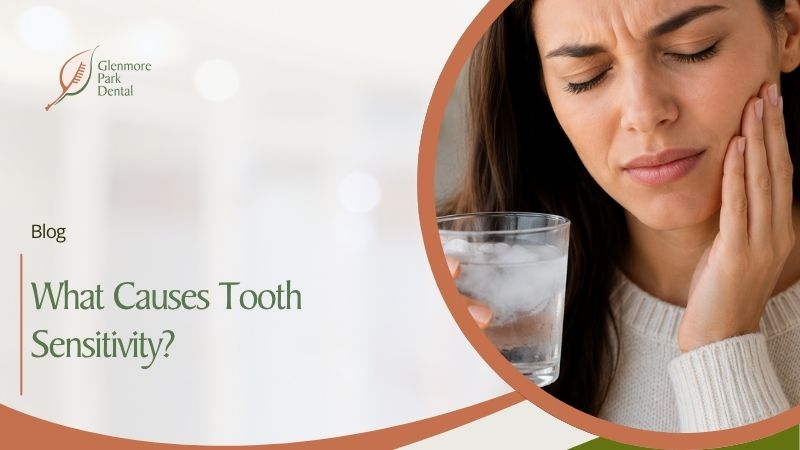
Tooth sensitivity can turn everyday activities into uncomfortable experiences. Whether you feel a sudden sharp pain when drinking cold water, eating ice cream, sipping hot coffee, or even breathing in cold winter air, sensitive teeth are often a sign that something in your oral health needs attention. While occasional sensitivity may not be serious, persistent discomfort should never be ignored. Several different dental conditions can contribute to tooth sensitivity, ranging from worn enamel and gum recession to cavities, teeth grinding, and cracked teeth. At Glenmore Park Dental, we help patients throughout Marda Loop, Lakeview, Glenbrook, Glenmorgan, and Acadia identify the underlying cause of sensitivity and develop a treatment plan that protects both comfort and long-term oral health. Understanding what causes tooth sensitivity is the first step toward finding relief and preventing more significant dental problems from developing. In many cases, addressing sensitivity early can prevent minor concerns from developing into more serious dental issues.
WHY SENSITIVE TEETH HAPPEN IN THE FIRST PLACE
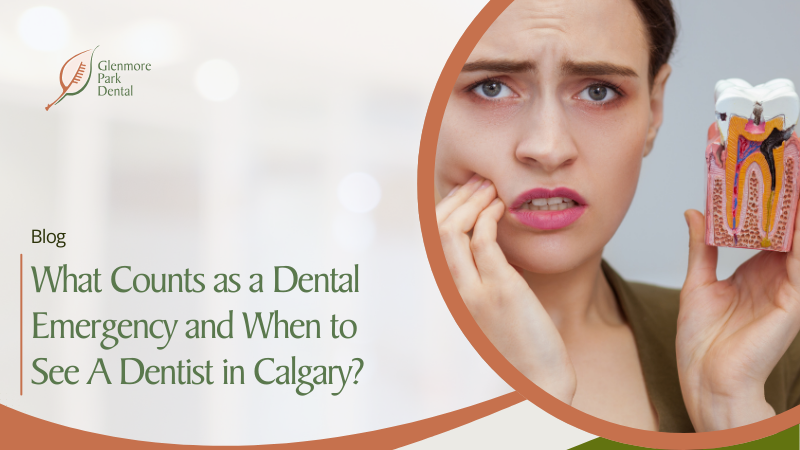
To understand tooth sensitivity, it helps to understand the structure of a tooth. The outer layer of the tooth is called enamel, which serves as a protective barrier against temperature changes, bacteria, and daily wear. Beneath the enamel lies dentin, a softer layer containing thousands of microscopic tubules that connect directly to the tooth's nerve.
When dentin becomes exposed, sensations from hot, cold, sweet, or acidic foods can travel through these tubules and trigger pain.
Several factors can expose dentin and lead to sensitivity:
One of the most overlooked causes is gum recession. As gums pull away from the teeth, they expose root surfaces that do not have the same protective enamel covering as the crown of the tooth. Root surfaces are naturally more sensitive and can react strongly to temperature changes.
Enamel erosion is another common culprit. Over time, acids from foods, beverages, and even acid reflux can gradually wear down enamel. Frequent consumption of soft drinks, sports drinks, citrus fruits, and energy drinks may accelerate this process.
Many patients assume sensitivity is normal as they age. While it becomes more common over time, ongoing sensitivity usually indicates an underlying issue that should be evaluated by a dental professional.
DENTAL CONDITIONS THAT CAUSE TOOTH SENSITIVITY
Tooth sensitivity can develop from a wide variety of dental problems, some minor and others requiring treatment.
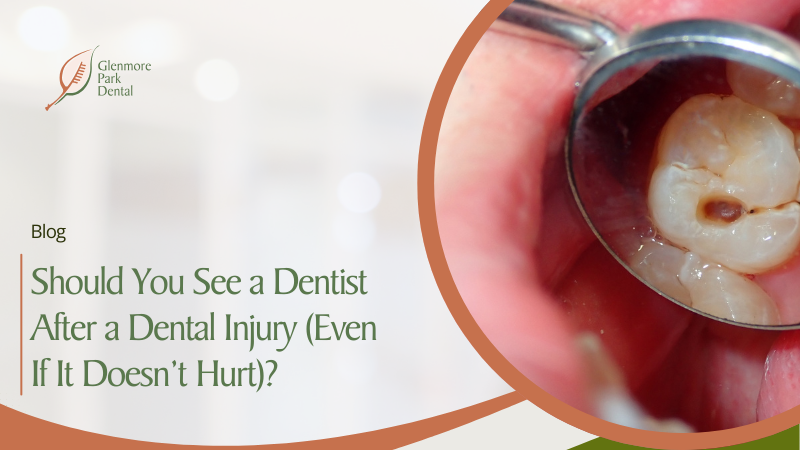
Cavities are among the most common causes of tooth sensitivity. As decay progresses through the enamel, it moves closer to the dentin and nerve, increasing discomfort.
Common warning signs include:
Early cavity treatment can often prevent more extensive procedures later.
Many people grind or clench their teeth without realizing it, especially while sleeping. This habit, known as bruxism, can gradually wear down enamel and expose sensitive dentin.
Signs of grinding may include:
A custom night guard can often help protect teeth from further damage.
Even small cracks can create pathways that allow temperature changes to reach the inner portion of the tooth. Some cracks are obvious, while others are difficult to detect without a professional examination.
You may notice:
Early diagnosis is important because untreated cracks can worsen over time.
Inflamed gums can gradually recede, exposing sensitive root surfaces. In more advanced cases, periodontal disease may also contribute to bone loss and tooth mobility.
Common symptoms include:
Professional treatment can help manage gum disease and reduce sensitivity.
Some patients experience temporary sensitivity following:
This type of sensitivity is usually short-term and improves as the tooth settles.
HOW TO TREAT AND PREVENT TOOTH SENSITIVITY
The most effective treatment depends on identifying the underlying cause. Because sensitivity can stem from multiple issues, a professional dental examination is often the best place to start.
At Glenmore Park Dental, we assess factors such as:
Desensitizing Toothpaste
Specialized toothpastes contain ingredients that help block pain signals from reaching the nerve. While they may not eliminate sensitivity entirely, they often provide noticeable relief with consistent use.
Fluoride Treatments
Professional fluoride applications help strengthen enamel and reduce sensitivity by protecting exposed areas of the tooth.
Night Guards
If grinding is contributing to enamel wear, a custom night guard can help protect teeth while you sleep.
Gum Disease Treatment
Managing gum disease can slow or stop further recession and improve overall oral health.
Restorative Dental Treatment
When cavities, cracks, or damaged restorations are causing sensitivity, treatment may involve:
Simple habits can also make a difference:
One important detail many patients don't realize is that brushing harder does not clean teeth better. In fact, aggressive brushing is one of the leading causes of enamel wear and gum recession. Using proper technique often helps reduce sensitivity while protecting your teeth and gums.
Tooth sensitivity is often your body's way of signalling that something needs attention. Whether the cause is enamel erosion, gum recession, tooth decay, grinding, or a cracked tooth, identifying the source of the problem is essential for lasting relief. While some sensitivity may be temporary, ongoing discomfort should not be ignored, as it can indicate conditions that may worsen without treatment.
At Glenmore Park Dental, we help patients throughout Marda Loop, Lakeview, Glenbrook, Glenmorgan, Acadia, and surrounding Calgary communities diagnose and treat tooth sensitivity with personalized care and modern dental solutions. If hot, cold, sweet, or acidic foods are causing discomfort, schedule an appointment with our team and take the first step toward a healthier, more comfortable smile.
Cold sensitivity often occurs when dentin becomes exposed. This can happen because of enamel wear, gum recession, cavities, or small cracks in the teeth. The exposed dentin contains microscopic channels that connect to the nerve inside the tooth. When cold temperatures reach these channels, they can trigger a sudden, sharp sensation. While occasional sensitivity may not indicate a serious problem, persistent discomfort should be evaluated by a dentist to determine the underlying cause and prevent the issue from worsening.
Temporary sensitivity sometimes improves on its own, particularly after teeth whitening procedures or dental treatments. However, sensitivity caused by cavities, gum recession, enamel erosion, or tooth fractures usually requires professional attention. Ignoring persistent sensitivity may allow the underlying condition to progress, potentially leading to more extensive treatment later. If sensitivity lasts more than a few days or becomes more severe, scheduling a dental examination is recommended.
You should schedule a dental appointment if sensitivity becomes frequent, severe, or interferes with eating and drinking. Sensitivity accompanied by visible damage, swelling, gum recession, pain while chewing, or spontaneous toothaches should be evaluated promptly. Early diagnosis allows your dentist to identify the cause and recommend treatment before the condition progresses. Many causes of tooth sensitivity are easier and less costly to treat when caught early.
Have a question about your dental health or ready to book an appointment? Our friendly team is here to help! Fill out the form below, and we’ll get back to you as soon as possible.

Glenmore Park Dental—Trusted Family Dentist in Calgary.
Since 2001, we’ve been Calgary’s trusted choice for general dentistry, implants, Invisalign, and advanced treatments like biofilm removal and Zoom whitening. With a warm, welcoming atmosphere and a commitment to patient comfort, we make every visit stress-free. Conveniently located for easy access from Glenmore and Crowchild, we proudly serve families across Marda Loop, Acadia, Lakeview, Glenbrook, and beyond.
Book your appointment today and smile with confidence!