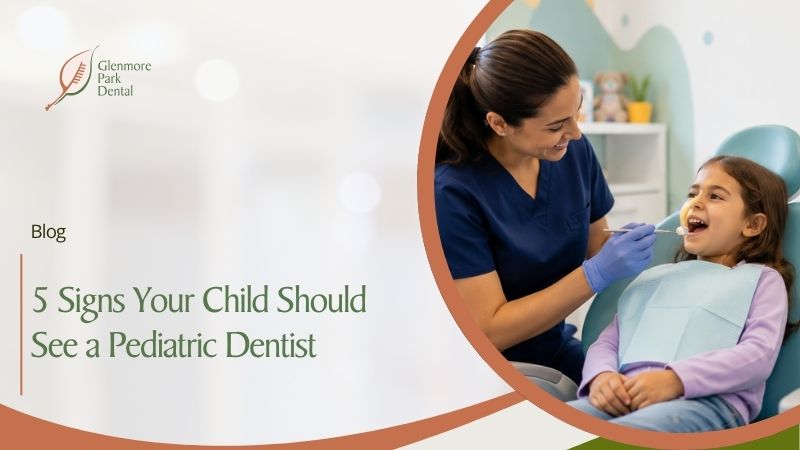
Dental injuries and sudden tooth pain can happen at any time, and they are often stressful for both children and parents. Knowing what counts as a pediatric dental emergency in Calgary can help you respond quickly and calmly. Falls, sports injuries, chipped or knocked-out teeth, severe toothaches, and facial swelling may all need prompt attention, and the right first steps can be different for baby teeth and permanent teeth. Understanding what to do at home, when to contact a dentist, and when to go to the emergency room can make a real difference in your child's comfort and recovery. Knowing how to prepare and reduce the risk of injury can also help protect your child's smile. Contact Glenmore Park Dental to learn more about caring for a pediatric dental emergency and to book an assessment for your child.
WHAT COUNTS AS A DENTAL EMERGENCY IN CHILDREN
Children are active, curious, and not always careful. Falls, playground collisions, sports, and biting down on something hard can all lead to tooth or mouth injuries. When it happens, it can be difficult for parents to know how serious the situation is and whether to treat it at home, wait for a regular appointment, or seek care right away.
A pediatric dental emergency generally involves trauma to the teeth or mouth, severe pain, swelling, bleeding that does not stop, or signs of infection. Because children's teeth and jaws are still developing, even an injury that looks minor can affect what is happening beneath the surface.
Not every dental concern is an emergency. A small chip that is not causing pain, for example, may be able to wait until the next available appointment. Even so, it is a good idea to have your child assessed, since damage that cannot be seen may still be present.
Situations that may need urgent attention include:
It also helps to remember that baby teeth and permanent teeth are treated differently. An injured baby tooth may affect the permanent tooth developing underneath it, while a knocked-out permanent tooth is often time-sensitive. This is one of the reasons it is worth calling your dental office for guidance rather than guessing.
Young children may not be able to describe what they are feeling. Signs that something is wrong can include refusing to eat, chewing on only one side, crying when drinking something hot or cold, touching or protecting the face, unusual irritability, or a fever. If your child seems to be in pain, it is reasonable to have them checked.
COMMON CHILDHOOD DENTAL EMERGENCIES AND WHAT TO DO FIRST
The steps below are general first-aid guidance and are not a substitute for a professional assessment. In most cases, the best next step is to stay calm, comfort your child, and contact your dental office as soon as possible.
A knocked-out permanent tooth is one of the most time-sensitive dental emergencies. Try to handle the tooth by the crown, which is the white chewing surface, rather than the root. If it is dirty, rinse it briefly with milk or clean water without scrubbing it. If your child is old enough and it can be done safely, gently placing the tooth back in the socket may be possible, and our team can guide you over the phone. If not, keep the tooth in a small container of milk and get to the dentist right away.
A knocked-out baby tooth is different. Baby teeth should generally not be placed back in the socket, since this could damage the developing permanent tooth. Have your child rinse gently, apply light pressure with clean gauze if there is bleeding, and call your dentist to have the area checked.
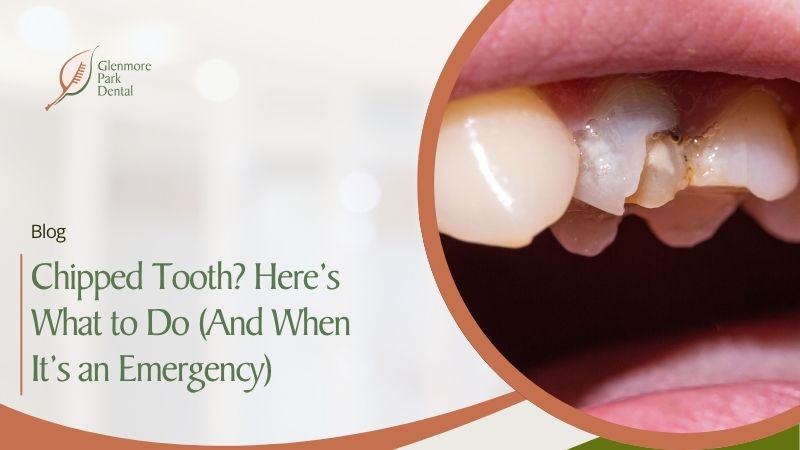
For a chipped or broken tooth, have your child rinse with warm water and save any fragments you can find, keeping them in milk or a clean, damp cloth. A cold compress on the outside of the cheek can help with swelling and discomfort. Sharp edges can irritate the tongue and cheek, and the inner part of the tooth may be exposed, so prompt assessment is a good idea.
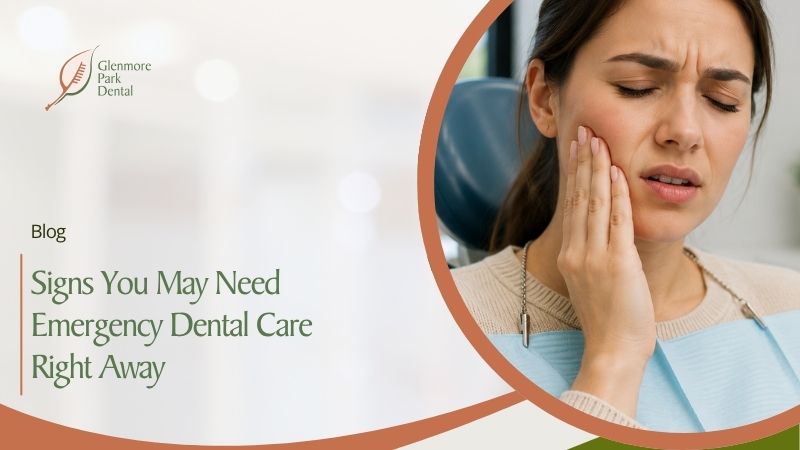
A toothache should not be ignored. Have your child rinse with warm water and gently floss to remove any food that may be trapped between the teeth. A cold compress on the outside of the cheek may provide some comfort. Avoid placing pain medication directly against the gums, and ask your pharmacist or doctor about an age-appropriate pain reliever. Swelling, fever, or a pimple-like bump on the gums can point to infection and should be looked at promptly.
Bitten lips, tongues, and cheeks are common after falls. Clean the area gently, apply pressure with a clean cloth, and use a cold compress to reduce swelling. If bleeding does not slow down with pressure or the cut looks deep, seek medical care.
Simple first steps for most dental injuries include:
Some situations are medical emergencies rather than dental ones. A head injury, loss of consciousness, difficulty breathing or swallowing, swelling that spreads toward the eye or neck, bleeding that cannot be controlled, or a suspected broken jaw all call for an emergency room visit or a call to 911. Dental care can follow once your child has been assessed.
HOW PARENTS CAN PREPARE AND HELP PREVENT INJURIES
You cannot prevent every accident, but a little preparation can make a stressful moment easier to manage. Keep your dental office's phone number saved in your phone and know what steps to take after hours. Having a plan means you can act quickly instead of searching for information while your child is upset.
Mouthguards are one of the most effective ways to protect teeth during sports and active play. A well-fitted mouthguard can help absorb impact and reduce the risk of chipped or knocked-out teeth, as well as injuries to the lips and cheeks. Children who play contact sports, skate, or ride bikes may especially benefit.
Everyday habits matter too. Encourage your child to avoid chewing ice, biting hard candy, or using their teeth to open packages. These habits may seem harmless, but they can crack or chip teeth over time.
Routine checkups also play an important role in helping to prevent emergencies. Regular exams allow your dentist to find small cavities, cracks, or other concerns before they grow into painful problems. Many urgent toothaches begin as cavities that were not noticed early. You can learn more about our children's dental care and how we help kids feel comfortable at the dentist.
Ways parents can prepare include:
Your own reaction can make a real difference. Children often take their cues from the adults around them, so staying calm and reassuring can help your child feel safer during an injury and a dental visit afterward. Explaining what to expect in simple, honest language can also reduce anxiety.
Follow-up is just as important as the first response. Even after the pain settles, a traumatized tooth can sometimes change over time. Watch for a tooth that darkens, a bump on the gums, new sensitivity, or swelling in the weeks after an injury, and let your dentist know if you notice any of these changes.
If your child has had a fall, a chipped tooth, or a toothache and you are unsure what to do next, we are here to help. Contact Glenmore Park Dental today to arrange an assessment and learn more about how we care for pediatric dental emergency situations so your child can get the care and comfort they need.
A toothache that comes with swelling, fever, a bump on the gums, or pain that keeps your child from eating or sleeping should be looked at promptly. Mild discomfort may settle after rinsing with warm water and removing trapped food, but it is still worth a call. Children often cannot describe their pain well, so it is better to ask us than to wait.
A well-fitted mouthguard is one of the most effective ways to protect teeth during sports and active play. Everyday habits help too, such as avoiding chewing ice, biting hard candy, or opening packages with their teeth. Regular checkups also allow us to find small cavities or cracks before they turn into painful problems.
Yes, it can. An injury to a baby tooth may affect the permanent tooth developing underneath it, and injuries to permanent teeth can cause changes that show up later, such as darkening, new sensitivity, or a bump on the gums. That is why a follow-up visit is worth it even after the pain settles.
Have a question about your dental health or ready to book an appointment? Our friendly team is here to help! Fill out the form below, and we’ll get back to you as soon as possible.

Glenmore Park Dental—Trusted Family Dentist in Calgary.
Since 2001, we’ve been Calgary’s trusted choice for general dentistry, implants, Invisalign, and advanced treatments like biofilm removal and Zoom whitening. With a warm, welcoming atmosphere and a commitment to patient comfort, we make every visit stress-free. Conveniently located for easy access from Glenmore and Crowchild, we proudly serve families across Marda Loop, Acadia, Lakeview, Glenbrook, and beyond.
Book your appointment today and smile with confidence!