Dental emergencies can happen unexpectedly and often require prompt treatment to prevent more serious complications. While some dental problems can safely wait a day or two, others require immediate attention to relieve pain, stop an infection from spreading, or improve the chances of saving a damaged tooth. Knowing the warning signs of a true dental emergency can help you make informed decisions when every minute counts. At Glenmore Park Dental, we provide emergency dental care for patients throughout Marda Loop, Lakeview, Glenbrook, Glenmorgan, and Acadia. Understanding which symptoms should never be ignored can help protect your oral health, preserve your natural teeth, and reduce the need for more extensive treatment later. Seeking care early often leads to faster relief and better long-term outcomes. Even injuries that seem minor should be evaluated, as some damage may not be immediately visible or painful. Acting quickly can often make the difference between a simple repair and a more complex dental procedure.
WHEN A DENTAL PROBLEM BECOMES AN EMERGENCY
Not every toothache or chipped tooth requires an immediate appointment, but certain symptoms should always be treated as urgent. Dental emergencies often involve severe pain, infection, uncontrolled bleeding, or trauma that could permanently damage a tooth if left untreated.
One of the biggest mistakes patients make is hoping the problem will resolve on its own. Unfortunately, infections rarely disappear without treatment, and delaying care can allow bacteria to spread deeper into the tooth, gums, or even surrounding tissues.
Common signs that you should seek emergency dental care include:
It is also important to remember that pain is not always present. Some serious dental injuries, particularly following trauma, may not hurt immediately because the nerves have been temporarily damaged. Even if discomfort seems minor, it is still important to have the tooth examined.
Children should also be evaluated after dental injuries. While baby teeth are eventually replaced, injuries can sometimes affect the developing permanent teeth underneath.
COMMON DENTAL EMERGENCIES AND WHAT TO DO FIRST
Knowing how to respond before you reach the dentist can improve the outcome of many dental emergencies.
Severe Toothache
Persistent tooth pain often indicates inflammation or infection inside the tooth. Rinsing with warm salt water may help remove trapped debris, but avoid placing aspirin directly on the gums, as it can damage soft tissue.
Knocked-Out Tooth
A knocked-out permanent tooth is one of the most time-sensitive dental emergencies. The highest chance of saving the tooth occurs when treatment is received within about 30 to 60 minutes.
If possible:
Milk helps keep the living cells on the root surface moist, which improves the likelihood that the tooth can be successfully replanted.
Cracked or Broken Tooth
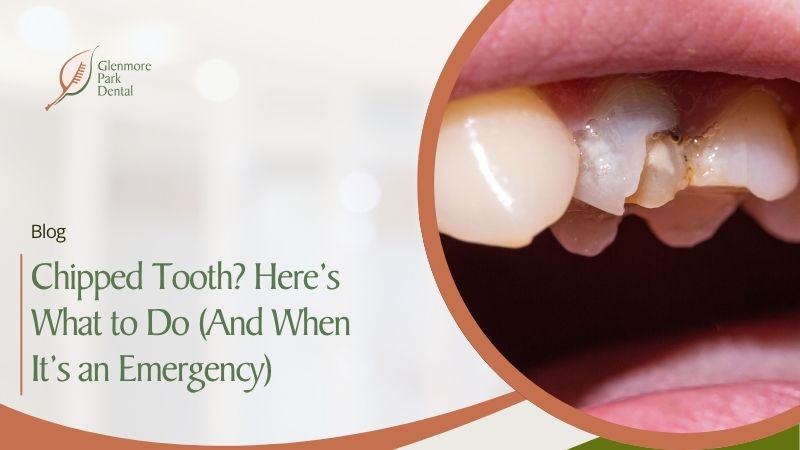
Even a small crack can expose the inner layers of the tooth to bacteria. Rinse your mouth with warm water and avoid chewing on that side until your appointment.
Dental Abscess
A dental abscess is a bacterial infection that typically develops around the root of a tooth or beneath the gums. Left untreated, the infection may spread into surrounding tissues and, in rare cases, become a serious medical concern.
Signs of an abscess include:
Abscesses require prompt professional treatment and should never be ignored.
WHY PROMPT TREATMENT CAN SAVE YOUR TOOTH
Time plays a significant role in many dental emergencies. The earlier treatment begins, the greater the likelihood that your dentist can preserve the natural tooth and prevent complications.
Emergency treatment may involve:
Prompt treatment also helps prevent infections from spreading beyond the mouth. Dental infections can sometimes extend into the jawbone, facial tissues, or bloodstream if left untreated.
While waiting for your appointment, avoid chewing on the affected side and keep the area as clean as possible. Applying a cold compress to the outside of the face may help reduce swelling following trauma.
One detail many patients are unaware of is that swelling affecting the jaw, neck, or throat should never be ignored. If swelling begins to interfere with breathing or swallowing, seek immediate emergency medical attention before seeing your dentist.
Regular dental examinations can also help prevent many emergencies from occurring. Small cavities, cracked fillings, worn teeth, and early gum disease are often detected before they become painful or require urgent treatment.
Recognizing the signs of a dental emergency can make all the difference when it comes to protecting your smile. Severe pain, swelling, infections, uncontrolled bleeding, and traumatic injuries should all be evaluated promptly to reduce the risk of permanent damage and more complex treatment. Acting quickly often improves the chances of saving a tooth while relieving discomfort sooner.
At Glenmore Park Dental, we provide compassionate emergency dental care for patients throughout Marda Loop, Lakeview, Glenbrook, Glenmorgan, Acadia, and surrounding Calgary communities. If you are experiencing a dental emergency, contact our team as soon as possible so we can help you receive the care you need.
A mild toothache may not require immediate care, but severe, persistent, or worsening pain should be evaluated promptly. Pain accompanied by swelling, fever, difficulty chewing, or sensitivity that does not improve may indicate an infection or damage that requires emergency treatment.
If it is a baby tooth, do not try to place it back into the socket. Contact your dentist for guidance and have your child examined. If it is a permanent tooth, gently pick it up by the crown, rinse it if necessary, store it in cold milk if it cannot be reinserted, and seek emergency dental care immediately.
Some dental problems can safely wait until the next available appointment, but severe pain, facial swelling, uncontrolled bleeding, knocked-out permanent teeth, or signs of infection should be treated as soon as possible. When in doubt, contact your dentist for advice.
Have a question about your dental health or ready to book an appointment? Our friendly team is here to help! Fill out the form below, and we’ll get back to you as soon as possible.

Glenmore Park Dental—Trusted Family Dentist in Calgary.
Since 2001, we’ve been Calgary’s trusted choice for general dentistry, implants, Invisalign, and advanced treatments like biofilm removal and Zoom whitening. With a warm, welcoming atmosphere and a commitment to patient comfort, we make every visit stress-free. Conveniently located for easy access from Glenmore and Crowchild, we proudly serve families across Marda Loop, Acadia, Lakeview, Glenbrook, and beyond.
Book your appointment today and smile with confidence!