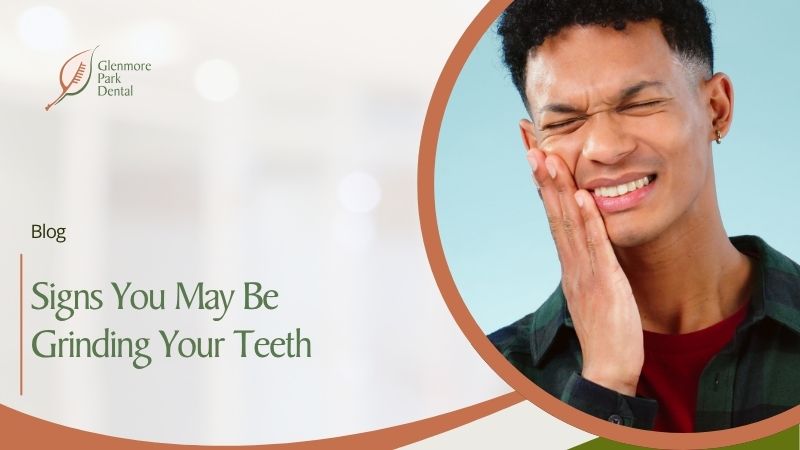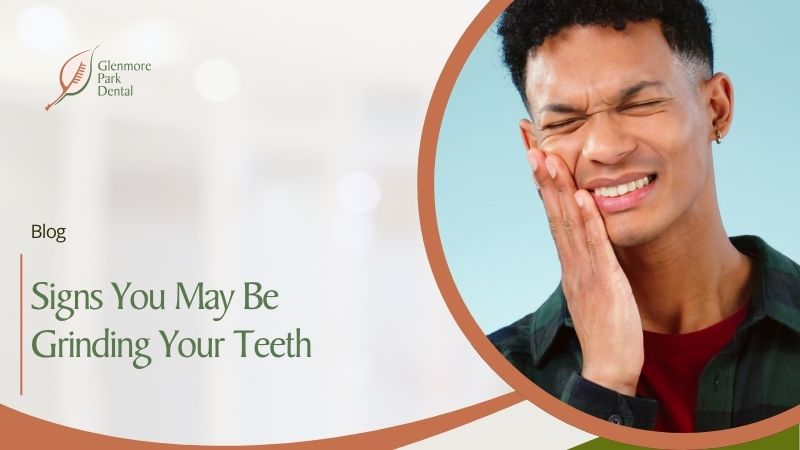
Teeth grinding, also known as bruxism, is a common condition that affects many people, often without them realizing it. Some individuals grind or clench their teeth while sleeping, while others do so during periods of stress or concentration throughout the day. Over time, this repeated pressure can place strain on the teeth, jaw joints, and surrounding muscles, potentially leading to discomfort and dental damage. Common symptoms may include jaw pain, headaches, tooth sensitivity, worn teeth, and clicking or popping sounds in the jaw. Because many signs of teeth grinding develop gradually, they can easily go unnoticed until more significant problems arise. Understanding the warning signs can help patients seek treatment early and protect their long-term oral health. If left untreated, ongoing teeth grinding can contribute to excessive tooth wear, damage to dental restorations, and increased strain on the jaw joints. Early diagnosis and appropriate treatment can help reduce discomfort, protect the teeth from further damage, and support healthier jaw function.
THE COMMON SYMPTOMS OF TEETH GRINDING
Many people are unaware that they grind their teeth because it often occurs during sleep. In fact, family members or sleeping partners are frequently the first to notice the grinding sounds associated with bruxism. Even when grinding is not audible, the effects can gradually become apparent through a variety of symptoms.
One of the most common signs is jaw discomfort. Repeated clenching and grinding places excessive strain on the muscles responsible for chewing and jaw movement. As these muscles become overworked, patients may experience soreness, stiffness, or fatigue, particularly upon waking in the morning.
Additional symptoms may include:
Many patients who grind their teeth also experience headaches, particularly around the temples. These headaches can resemble tension headaches and may occur frequently without an obvious cause.
Tooth sensitivity is another common indicator. The excessive forces generated during grinding can gradually wear away protective enamel, exposing more sensitive portions of the teeth. As enamel becomes thinner, patients may notice increased sensitivity to hot, cold, or sweet foods and beverages.
Because symptoms often develop slowly, individuals may not immediately connect them to teeth grinding. A dental examination can help identify patterns of wear and other signs that suggest bruxism may be occurring.
HOW TEETH GRINDING CAN AFFECT YOUR ORAL HEALTH
The pressure generated during teeth grinding can be surprisingly strong. In some cases, the forces exerted while clenching and grinding exceed those used during normal chewing.
Over time, this repeated pressure can lead to visible changes in the teeth. Dentists often identify teeth grinding by examining specific wear patterns that develop on biting surfaces.
Common dental effects include:
When teeth become worn down, their appearance may gradually change. Some patients notice that their teeth look shorter or more flattened than they once did. In severe cases, excessive wear can affect bite alignment and increase the likelihood of additional dental complications.
Grinding may also place stress on dental work such as crowns, fillings, veneers, and bridges. Repeated clenching can contribute to damage or premature wear of restorations, potentially resulting in the need for repair or replacement.
The gums and supporting structures surrounding the teeth may also be affected. Excessive pressure can place strain on these tissues and contribute to discomfort when chewing or biting.
Early identification of teeth grinding is important because treatment can often help reduce further damage. The longer bruxism continues unchecked, the greater the potential impact on both oral health and overall comfort.
WHEN TEETH GRINDING MAY BE RELATED TO TMJ CONCERNS
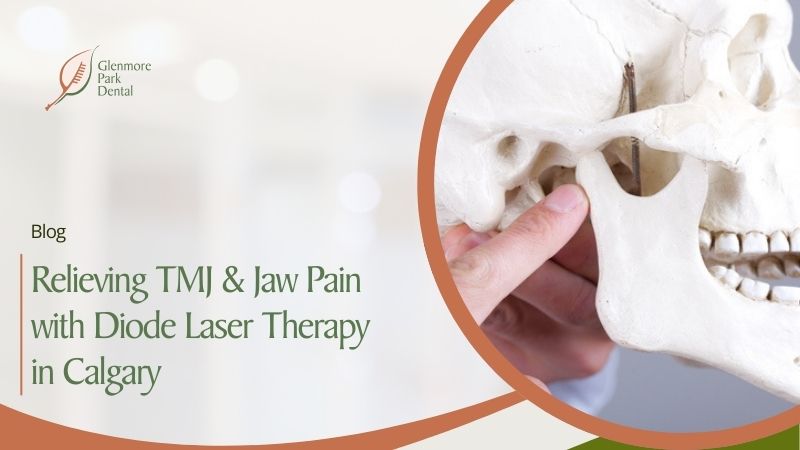
Teeth grinding and temporomandibular joint (TMJ) disorders are often closely connected. The temporomandibular joints are responsible for connecting the lower jaw to the skull and play an important role in speaking, chewing, and everyday jaw movement.
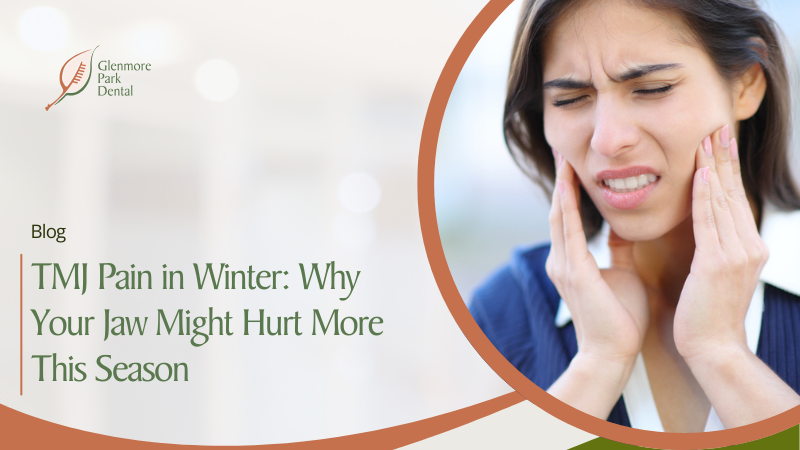
When excessive pressure is repeatedly placed on these joints through grinding and clenching, patients may begin experiencing TMJ-related symptoms.
Common TMJ symptoms include:
Some patients notice a clicking sound when opening or closing their mouths. While occasional clicking is not always cause for concern, persistent sounds accompanied by pain or restricted movement should be evaluated by a dental professional.
Stress is often considered a contributing factor in both bruxism and TMJ concerns. During stressful situations, individuals may unknowingly clench their teeth throughout the day or experience increased grinding during sleep. Identifying contributing factors can play an important role in developing an appropriate treatment plan.
Treatment recommendations vary depending on the severity of symptoms and the underlying cause. Dentists may recommend custom oral appliances, lifestyle modifications, bite assessments, or other treatment approaches designed to reduce pressure on the teeth and jaw joints.
Regular dental examinations can help identify early signs of grinding before significant damage occurs. Monitoring changes over time allows dental professionals to determine whether intervention may be beneficial.
If you frequently experience jaw pain, headaches, tooth sensitivity, or notice changes in your teeth, it may be worth discussing these symptoms with your dentist. Early diagnosis and treatment can help protect your teeth, reduce discomfort, and support healthier jaw function.
Contact Glenmore Park Dental today to schedule an assessment and learn more about TMJ treatment options for teeth grinding and jaw discomfort.
Yes. Many people grind or clench their teeth while sleeping and have no awareness that it is occurring. Because the activity often happens unconsciously, symptoms such as headaches, jaw soreness, tooth sensitivity, or worn teeth may be the first indication that bruxism is present. In some cases, a sleeping partner may hear grinding noises during the night. Regular dental examinations are often helpful because dentists can identify wear patterns and other signs that may indicate teeth grinding before patients become aware of the condition themselves.
Not necessarily. While teeth grinding can contribute to TMJ symptoms and place additional stress on the jaw joints, not everyone who grinds their teeth develops a TMJ disorder. Factors such as bite alignment, jaw anatomy, stress levels, and overall oral health can influence whether TMJ symptoms develop. However, because grinding increases pressure on the jaw joints and muscles, it can increase the likelihood of discomfort, clicking, stiffness, and other TMJ-related concerns. A dental examination can help determine whether teeth grinding may be contributing to jaw symptoms.
One of the most common treatments for teeth grinding is a custom-made night guard or oral appliance. These devices are designed to help protect the teeth from excessive wear while reducing pressure on the jaw joints and surrounding muscles. Depending on the cause of the grinding, dentists may also recommend stress management strategies, bite evaluations, lifestyle modifications, or additional treatment approaches. Because every patient is different, treatment recommendations typically depend on symptom severity, the extent of dental wear, and whether TMJ-related concerns are also contributing to the condition.
Have a question about your dental health or ready to book an appointment? Our friendly team is here to help! Fill out the form below, and we’ll get back to you as soon as possible.

Glenmore Park Dental—Trusted Family Dentist in Calgary.
Since 2001, we’ve been Calgary’s trusted choice for general dentistry, implants, Invisalign, and advanced treatments like biofilm removal and Zoom whitening. With a warm, welcoming atmosphere and a commitment to patient comfort, we make every visit stress-free. Conveniently located for easy access from Glenmore and Crowchild, we proudly serve families across Marda Loop, Acadia, Lakeview, Glenbrook, and beyond.
Book your appointment today and smile with confidence!