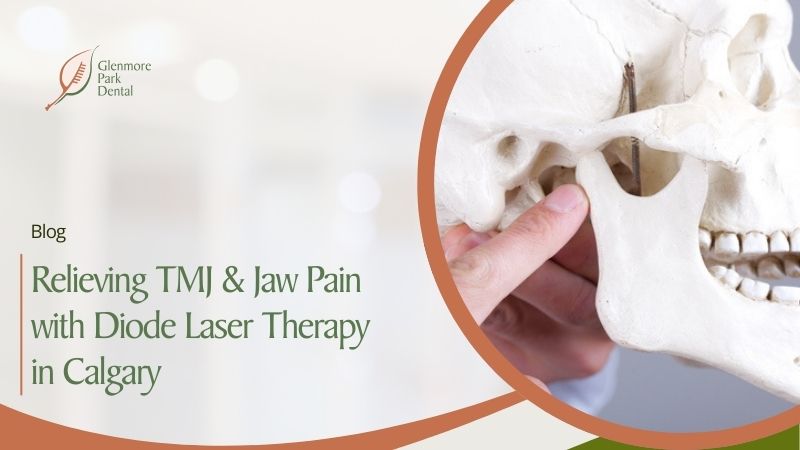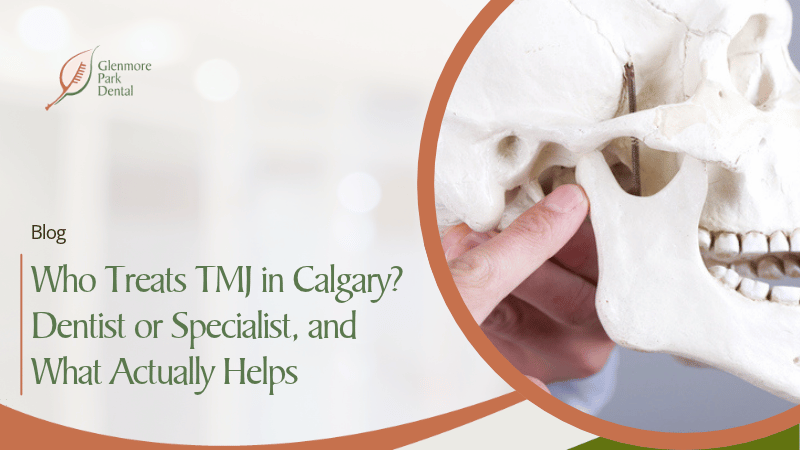
When jaw pain, clicking, or headaches become a regular problem, many people are unsure who to see. TMJ concerns can involve the teeth, the bite, the jaw joints, and the surrounding muscles, so patients often wonder whether they should begin with a dentist, a doctor, or a specialist. For many people, a dental assessment is a practical first step because dentists can examine the teeth and bite, look for signs of grinding or clenching, and help rule out other dental causes of pain. In more complex cases, additional professionals may be involved. Knowing who treats TMJ, what care may involve, and when to seek help can make the process less confusing. Contact Glenmore Dental to schedule an assessment and learn more about TMJ care in Calgary.
WHO TREATS TMJ DISORDERS
If you have jaw pain, clicking, or frequent headaches, one of the first questions is usually who to see. TMJ concerns can sit between several areas of health care, and patients are often unsure whether they should start with a dentist, a doctor, or a specialist. The right starting point depends on your symptoms, how long they have been present, and whether anything else is going on.
For many patients, a dentist is a sensible first step. Dentists are trained to assess the teeth, bite, and jaw, and they can often tell whether symptoms appear related to grinding, clenching, tooth wear, or the way the teeth come together. Because many jaw problems involve the teeth and bite, a dental examination can provide useful information early on.
A dentist can also help rule out other dental causes of pain. A cracked tooth, an infection, or a problem with a wisdom tooth can sometimes feel like jaw trouble. Sorting out whether the discomfort is coming from the teeth or the joint is an important part of the process.
Professionals who may be involved include:
Other professionals may become involved depending on the situation. A physician may be consulted if symptoms suggest a medical cause, such as an ear problem, a headache disorder, or a different kind of joint condition. A physiotherapist may help with muscle tension or movement of the jaw and neck. In more complex cases, a specialist such as an oral and maxillofacial surgeon may be consulted.
It is worth knowing that there is no single title that automatically means someone is the right person for every TMJ problem. What matters is whether the provider takes the time to assess your symptoms properly, explains what they find, and is clear about what they can and cannot treat. A good provider will also refer you onward when it is appropriate.
Many mild to moderate cases are managed by a general dentist. More complicated cases, including those involving significant joint damage, persistent locking, or suspected injury, may require additional input. A dentist can help you understand which category your symptoms may fall into.
WHAT ACTUALLY HELPS
Patients often want to know what treatment is likely to help, and the honest answer is that it depends on the cause. TMJ symptoms are not all the same, so the approach that works for one person may not be right for another. Most care starts with conservative steps that aim to reduce strain and protect the teeth.
If grinding or clenching appears to be involved, a custom oral appliance, often called a night guard, may be recommended. Worn while sleeping, it creates a barrier between the upper and lower teeth and may help limit wear and reduce the strain placed on the jaw. A custom fit generally feels more comfortable than a store-bought version and is designed around your bite.
Approaches that may be considered include:
Habit changes can also make a difference. Choosing softer foods during a flare-up, avoiding gum chewing, and noticing daytime clenching can reduce the workload on the jaw. Some patients find that stress management, better sleep habits, and gentle movement of the jaw and neck are helpful additions to their routine.
Some dental clinics also offer therapies such as low-level diode laser, which may be used to help manage discomfort in the muscles and tissues around the jaw. Whether a therapy like this is appropriate depends on your assessment, and it is typically considered as one part of an overall plan rather than a stand-alone answer.
It is also important to be realistic. Treatment aims to manage symptoms, protect the teeth, and improve how the jaw functions, but results vary from person to person. Some patients notice improvement relatively quickly, while others need ongoing adjustments over time. A clear explanation of the plan and what to expect can help set appropriate expectations.
Be cautious about quick fixes or claims that a single treatment will cure every case. Because TMJ problems have different causes, a plan that is tailored to your findings is usually more reliable than a standard approach. If a recommended treatment is not helping, it is reasonable to ask for a reassessment.
Seeking care sooner rather than later can also help. Continued grinding or strain can contribute to tooth wear and ongoing discomfort, and addressing contributing factors early may help prevent problems from building.
CHOOSING YOUR PROVIDER
When you are choosing someone to assess your jaw, a few practical considerations can help. Consider whether the clinic treats jaw concerns regularly, whether they explain their findings in plain language, and whether they are comfortable referring you if your situation needs more than they can offer.
A good assessment usually begins with a conversation. Expect questions about when your symptoms started, what makes them better or worse, whether you notice clenching or grinding, and whether you have had injuries or previous dental work. The more detail you can share, the easier it is to identify patterns.
Before your appointment, consider noting:
The dentist will then examine the jaw joints, the muscles that move the jaw, and the teeth and bite. They may look for signs of wear, check how far and how smoothly your jaw opens, and feel for tenderness around the joints and muscles. X-rays or other imaging may be recommended in some cases.
Ask what the findings suggest, what options are available, and what the next steps would be. If a referral is recommended, ask why and what to expect from that visit. Clear answers make it easier to feel confident about your plan.
Some symptoms should be evaluated promptly. If your jaw locks, you cannot open your mouth normally, you have swelling, severe pain, or symptoms after an injury, do not wait to be seen. Sudden changes in your bite also deserve professional attention.
Many patients live with jaw discomfort for a long time before asking for help, assuming it is something they have to accept. In many cases, an assessment can provide answers and a plan, even if the plan is simply to monitor and protect the teeth.
If you have jaw pain, clicking, headaches, or signs of grinding and are wondering who to see, a dental assessment is a practical first step. Contact Glenmore Dental today to schedule an appointment and learn more about TMJ care in Calgary and what may be right for you.
For many patients, a dentist is a sensible first step because they can examine the teeth, bite, and jaw, look for signs of grinding or clenching, and help rule out other dental causes of pain. If your symptoms suggest another cause or a more complex joint problem, your dentist can explain whether a referral to another professional may be appropriate for your TMJ concerns.
Some mild episodes of jaw discomfort may improve with rest and habit changes, but recurring or worsening symptoms should be evaluated. Persistent TMJ pain, clicking, headaches, or limited jaw movement can be signs that grinding, clenching, or another problem needs attention. An assessment can help determine the cause and what options may be appropriate.
A custom night guard can help protect the teeth from the effects of grinding and may reduce strain on the jaw for some patients, but it is not the right answer for every TMJ problem. Whether one is recommended depends on your symptoms, your bite, and what the examination shows. Your dentist can explain whether an oral appliance may be a good fit for you.
Have a question about your dental health or ready to book an appointment? Our friendly team is here to help! Fill out the form below, and we’ll get back to you as soon as possible.

Glenmore Park Dental—Trusted Family Dentist in Calgary.
Since 2001, we’ve been Calgary’s trusted choice for general dentistry, implants, Invisalign, and advanced treatments like biofilm removal and Zoom whitening. With a warm, welcoming atmosphere and a commitment to patient comfort, we make every visit stress-free. Conveniently located for easy access from Glenmore and Crowchild, we proudly serve families across Marda Loop, Acadia, Lakeview, Glenbrook, and beyond.
Book your appointment today and smile with confidence!